
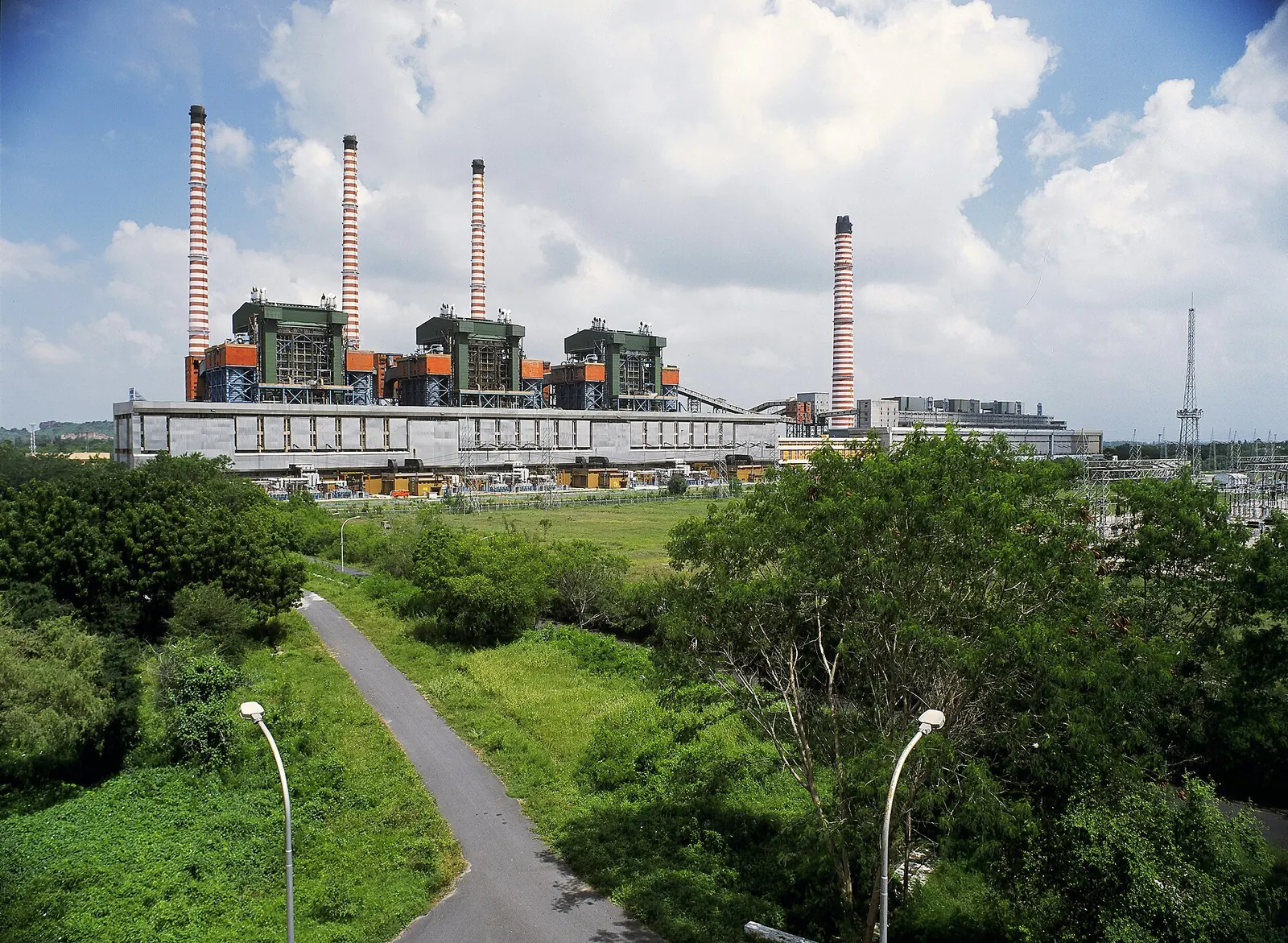
On 30 May 2024 India met a record maximum power demand of 250 GW. The Ministry of Power's statement, issued the same evening, added that all-India non-solar demand, the demand that must be met after sunset, had touched an all-time high of 234.3 GW the day before. The Northern region set its own record of 86.7 GW on 30 May, and the Western region reached 74.8 GW. Thermal generation peaked at 176 GW ex-bus, the highest ever, especially during non-solar hours.
Most coverage focused on the headline 250 GW, driven by a punishing heatwave across northern India. The more important number is the 234.3 GW non-solar peak. It identifies where India's supply adequacy problem now sits. India can meet midday demand with growing volumes of solar power. It cannot yet meet evening demand without running almost every available coal, gas and imported-coal plant at full output. Our view is that the evening hour has become the binding constraint on India's power system, and that capacity planning, procurement and market design should be reorganised around it.
What the ministry's statement reveals
The statement is candid about how the evening peak was met. It credits the strategic implementation of Section 11 of the Electricity Act, which allows the government to direct generators in extraordinary circumstances. That direction was used to maximise generation from imported-coal plants and gas-based plants, both of which have been running at low utilisation in recent years because their fuel is expensive relative to domestic coal.
In other words, India met its record evening peak by compelling its most expensive thermal capacity to run. That is a legitimate emergency tool, and it worked. But it is not a sustainable planning strategy. Section 11 directions transfer fuel cost risk to distribution companies and consumers, and they reflect a system with little margin after sunset.
The statement also acknowledges that renewable energy was very significant in meeting demand, especially solar during solar hours and wind during non-solar hours. Wind's evening contribution is underappreciated. In states such as Gujarat and Tamil Nadu, wind output often rises in the evening during the monsoon build-up, helping to cover the gap as solar fades.
The shape of the problem
Indian electricity demand has a growing midday component, driven by agricultural pumping in some states, commercial loads and air conditioning. But the evening peak, when households return home and run cooling, lighting and appliances while solar output falls to zero, is growing just as quickly and is harder to serve.
Each gigawatt of solar added reduces the need for thermal output at noon. It does almost nothing for 9 pm. As solar capacity grows, the gap between peak demand and non-solar peak demand narrows, and the system's adequacy is increasingly determined by the evening. When the non-solar peak is 234 GW and thermal plus wind plus hydro is barely enough to meet it, the system is operating near its limit.
Three responses, in order of urgency
The first response is storage. Battery energy storage systems charged with midday solar and discharged in the evening directly address the constraint. India has announced viability gap funding for battery storage and has tendered several projects, but installed capacity remains small relative to the scale of the evening gap. Pumped storage, which India has substantial potential for, is slower to build but provides longer-duration support.
The second response is firm capacity procurement. Distribution companies and the central government have recognised that more thermal capacity is needed, and new coal plants have been announced to meet projected demand to the early 2030s. The risk is that coal plants built for evening peaks run at low utilisation for most of the year. That is acceptable only if they are paid in a way that reflects their role, through capacity charges for availability rather than through energy-only tariffs that assume baseload operation.
The third response is demand-side flexibility. Time-of-day tariffs, which India has begun to mandate for commercial and industrial consumers and plans to extend, can shift some load from evening to midday. Agricultural feeders can be solarised and scheduled to run during the day. Air conditioning standards can reduce peak load per unit of cooling. These measures are cheap relative to new generation, but they require distribution companies with the metering, billing and commercial capacity to implement them.
Imported coal and gas as a reserve
The use of Section 11 highlights an awkward fact. India has a substantial fleet of imported-coal and gas-based plants that are economically marginal in normal times but essential in peak conditions. Several imported-coal plants on the western coast have long-running disputes over tariffs that do not reflect fuel costs. Gas plants have suffered from expensive and uncertain LNG supply.
These plants are, in effect, India's strategic reserve. They should be treated as such, with a transparent payment for availability and a clear rule for when they are called. Relying on emergency directions each summer leaves generators, lenders and distribution companies guessing.
Heat as a structural driver
The 2024 heatwave was extreme, but rising temperatures and rising incomes together mean that summer peaks will keep climbing. Air conditioner ownership in India is still low by international standards and rising quickly. Each summer will bring a higher peak, and the evening peak will grow faster than the midday peak because cooling demand continues after sunset.
Planning should assume that 250 GW is a waypoint. The Central Electricity Authority's projections already anticipate substantially higher peaks by the end of the decade.
Our position
India met a record 250 GW peak in May 2024, and the system held. But the record was met by directing expensive thermal plants to run at maximum output during the evening, when solar contributes nothing. The non-solar peak of 234.3 GW is the number planners should watch, and it shows a system operating close to its limits after sunset.
The policy priorities follow directly. Accelerate battery and pumped storage procurement aimed at evening delivery. Pay firm capacity for availability rather than energy. Treat imported-coal and gas plants as a transparent strategic reserve. And push time-of-day pricing and load shifting through every distribution company that can implement them. India's solar build has solved the midday problem. The evening is now the problem to solve.