
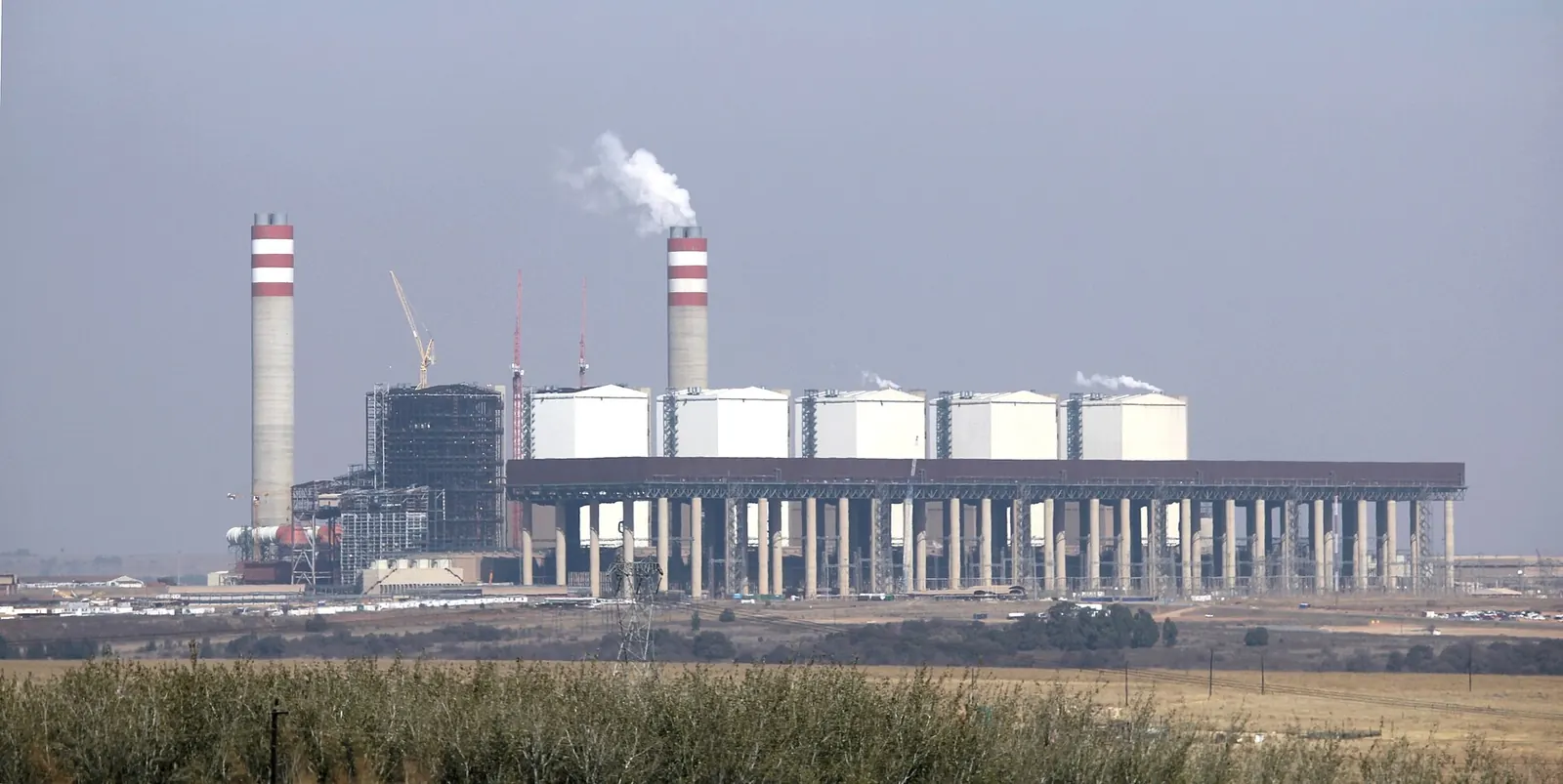
On 5 July 2024 Eskom announced that South Africa had gone 100 consecutive days without load-shedding, counting from 26 March. The last comparable stretch was between September and December 2020. Eskom attributed the result to its Generation Operational Recovery Plan, started in March 2023, and to an aggressive planned maintenance programme made possible by the National Treasury's debt relief arrangement. The year-to-date energy availability factor for 1 April to 4 July 2024 was 61.5 per cent, against 54.56 per cent in the same period of 2023. The weekly figure for 1 to 4 July was 65.7 per cent, and unplanned outages over the previous seven days averaged about 12,180 MW.
For a country that lived through record rationing in 2023, this is a genuine improvement, and the political mood has shifted accordingly. Our view is more cautious. The 100 days show what happens when a stressed coal fleet is maintained properly and new units come back into service. They do not show that South Africa has enough firm capacity to withstand a bad summer or the retirement schedule that lies ahead. The improvement is real, but it rests on a fleet whose average age and condition have not changed, and on demand that has been dampened by the very crisis that is now easing.
What actually improved
The key variable is unplanned outages. Eskom says its targeted initiatives reduced unplanned losses on the generation fleet from about 18,000 MW to an average of around 12,000 MW since May 2023. That 6,000 MW is larger than any single new-build programme could have delivered in the same period. It came from fixing boiler tube leaks, repairing mills, restoring units at Kusile and Medupi that had been out for long periods, and doing planned maintenance that had been deferred for years because the system could not afford to take units off line.
The debt relief package matters here. When Eskom is starved of cash, maintenance is the first thing to be cut, which produces breakdowns, which produces load-shedding and diesel spending in open-cycle gas turbines, which drains cash further. Treasury support broke that loop. The improvement in the availability factor is in part a dividend from finally spending on maintenance.
Eskom's next targets are concrete. It aims to recover about 1,600 MW from the coal fleet following the commercial operation of Kusile Unit 5 and to bring back 930 MW from Koeberg Unit 2 before the end of the calendar year. The line from Bheki Nxumalo, Eskom's head of generation, quoted in the release, was that if Eskom maintains a 70 per cent availability factor and significant capacity is added, the system can meet demand without a significant risk of load-shedding.
Why we are not declaring victory
First, 61.5 per cent is still a weak availability factor. The Minerals Council noted that the level remains below the peaks of 2019 to 2021 and well short of the 75 per cent assumed in the Integrated Resource Plan. Eskom's own target of 70 per cent is a recovery to adequacy, not a cushion. A coal fleet running at those levels has little margin to absorb a large unit trip, a coal quality problem or a delay in a maintenance outage.
Second, demand has been suppressed. Two years of severe load-shedding pushed households and firms to install rooftop solar, batteries and diesel generators. Some of that self-supply reduces grid demand permanently, which helps. But some of it is diesel generation that will be switched off now that grid power is reliable, which pushes demand back onto Eskom. There is also economic demand that was simply lost during the crisis, in mining and manufacturing, and that will return if supply holds. Absence of load-shedding during a period of weak demand is a lower bar than absence of load-shedding in a recovering economy.
Third, the seasonal pattern flatters the result. The Minerals Council observed that the availability factor typically peaks between May and July and then declines towards the end of the year, as maintenance is scheduled outside winter. The winter outlook published on 26 April 2024 assumed unplanned outages of 15,500 MW and load-shedding limited to Stage 2. Outcomes have been far better than that, but summer maintenance will reduce available capacity and test whether the improvement holds.
The bigger structural question
The coal fleet is not going to get younger. Several older stations are scheduled for decommissioning through the late 2020s and 2030s, and there has been an active debate about delaying those closures to protect supply. Recovery of the existing fleet buys time, but it does not replace the capacity South Africa needs. That has to come from new generation, mostly renewable energy and storage procured through the independent power producer programmes and from private projects under the relaxed licensing threshold, and from transmission.
Transmission is the binding constraint. The best wind and solar resources are in the Northern, Western and Eastern Cape, and the grid in those provinces has very limited connection capacity left. Private and public procurement rounds have already run into this. Unless the transmission build programme accelerates, new renewable capacity will be stranded in queues, and the country will be pushed back into dependence on an ageing coal fleet.
What should happen next
The 100 days should be used, not celebrated. Three priorities stand out. Keep the maintenance budget protected, because the improvement disappears quickly if planned outages are cut to avoid short-term shortfalls. Accelerate transmission, including the private participation models the government has signalled, because new generation is useless without connection capacity. And publish a realistic summer outlook with the same transparency as the winter one, so firms can plan rather than react.
Our assessment
South Africa has earned a reprieve through maintenance and better operations, helped by Treasury money and by temporarily weaker demand. That is valuable, and Eskom deserves credit for the discipline. But a system with an availability factor in the low sixties, a coal fleet facing retirement and a congested grid in its best renewable regions is not yet secure. The test of recovery is not 100 days in winter. It is whether the system can carry rising demand through the next two years while adding new capacity at the pace the grid allows.