
On 3 July 2024 Vietnam's government issued Decree 80/2024/ND-CP, establishing a mechanism for direct power purchase agreements between renewable energy generators and large electricity consumers. It took effect immediately. The decree allows two models. In the first, a generator sells to a consumer through a private connection line, with no minimum generator size. In the second, the generator and consumer trade through the national grid: the generator sells its output into the competitive wholesale electricity market, and the consumer buys from the power corporation that serves it, while the two parties settle a financial contract between them. For the grid-connected model, wind or solar plants must be at least 10 MW and connected to the national grid, and consumers must use an average of at least 200,000 kWh a month and be connected at 22 kV or above.
The decree has been sought for years by multinational manufacturers in Vietnam, many of which have global commitments to buy renewable electricity, and by developers whose growth stalled after the end of Vietnam's feed-in tariffs. Our view is that Decree 80 is an important step and that the private-line model will be used quickly. But the grid-connected model, which matters more for scale, depends on the competitive wholesale market, transmission capacity and the wheeling and system charges set for EVN, the state utility. Until those are clear and fair, Vietnam's direct PPA market will remain narrow.
Why Vietnam needed this
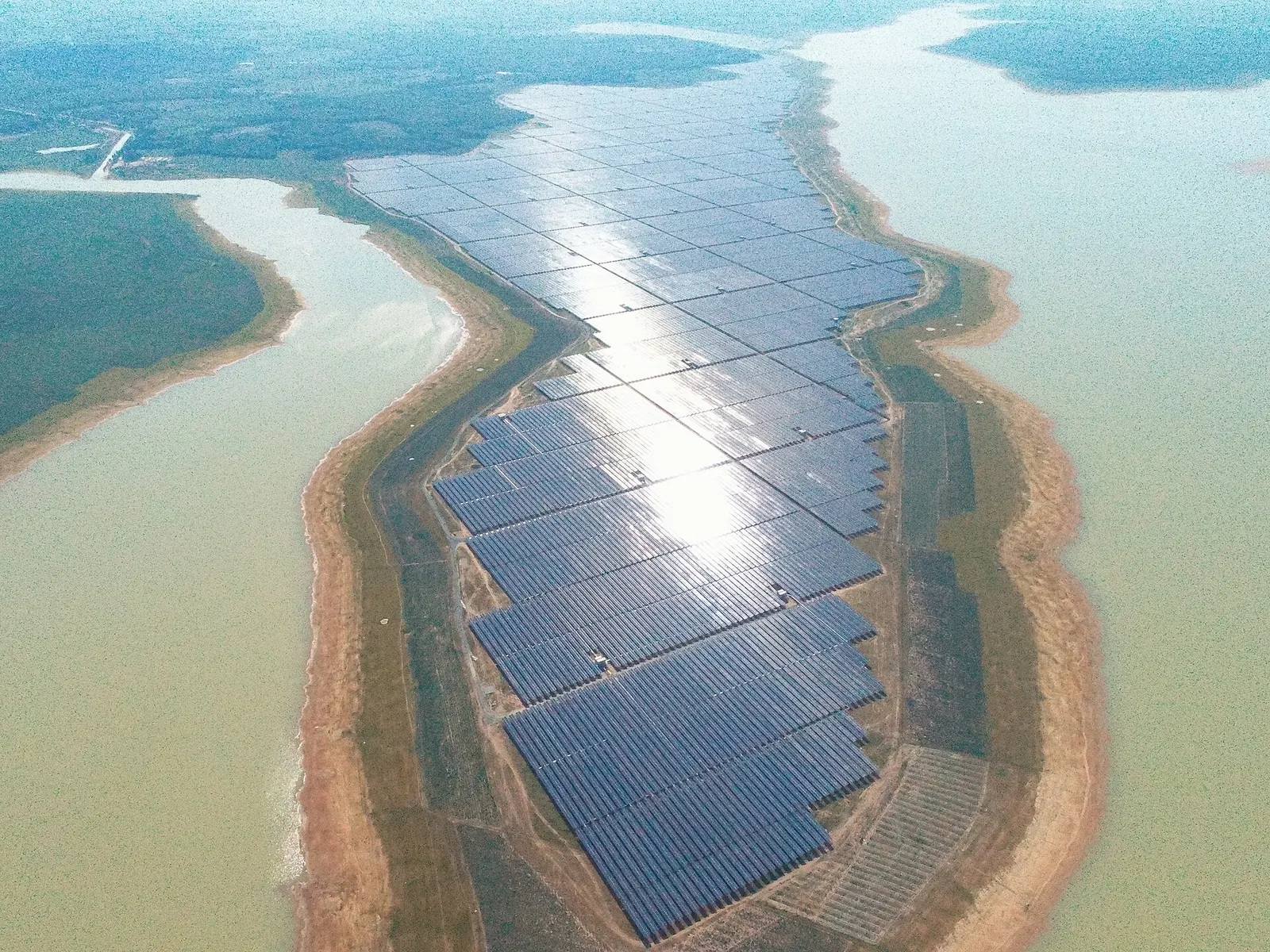
Vietnam experienced one of the fastest solar booms anywhere between 2019 and 2020, driven by generous feed-in tariffs. Utility-scale and rooftop solar capacity rose from almost nothing to well over 16 GW in about two years. The grid could not keep up, and curtailment became widespread. The government ended the feed-in tariffs, and many projects completed after the deadlines were left without a clear tariff for years. New investment slowed sharply.
At the same time, foreign manufacturers relocating from China, in electronics, textiles and other sectors, faced pressure from their global customers to source renewable power. Without a way to contract directly with generators, they could only buy power from EVN at regulated tariffs, with limited ability to demonstrate clean supply. Several large companies lobbied for a direct PPA mechanism, and a pilot was discussed for years before the decree was finally issued.
The private-line model
The private-line model is straightforward. A generator builds a plant near or on the consumer's site and supplies it directly through a dedicated line, without using EVN's grid. This suits rooftop solar on factory roofs and solar parks adjacent to industrial zones. Because there is no minimum size and the arrangement avoids the national grid, it can be implemented relatively quickly. It is likely to be the first part of the decree to be used at scale, especially by industrial parks that can host shared solar installations.
Its limitation is geography and size. Many factories do not have enough roof or land area to meet a large share of their demand from on-site solar, and wind power rarely fits the private-line model. To supply large volumes of renewable power to manufacturers, Vietnam needs the grid-connected model.
The grid-connected model
The grid-connected model is a synthetic or financial PPA. The generator sells its physical output into Vietnam's competitive wholesale market, and the consumer continues to buy physical electricity from its local EVN power corporation. The two parties settle the difference between an agreed contract price and the market price under a contract for difference. The consumer also pays EVN for the use of the grid and for system services.
This structure keeps EVN at the centre of the physical system, which is realistic given that the transmission grid is state-owned and that Vietnam's wholesale market is still developing. But it means the value of the arrangement depends on the level of the charges the consumer pays to EVN and on how the wholesale market price behaves. If network and system charges are high or uncertain, the economics of the contract weaken. Developers and buyers will need clarity on those charges, and confidence that they will not change unpredictably over a contract's life, before signing long-term agreements.
Transmission capacity is the other constraint. The best solar and wind resources are in the south-central provinces, where curtailment has been a problem. A grid-connected PPA does not create transmission capacity. If plants contracted under the decree are curtailed, both the generator and the buyer lose. Vietnam's power development plan calls for major grid expansion, and the decree's success is tied to whether that expansion happens on schedule.
Lessons from elsewhere in Asia
Other Asian markets show how much the details matter. Where corporate PPAs have grown quickly, buyers could see the full cost of delivered power before signing, including network charges, and had confidence that the rules would hold for the length of a contract. Where those conditions were missing, corporate procurement stayed small even when legislation allowed it. Vietnam's manufacturers are mostly subsidiaries of global groups that compare costs across countries. If the full cost of a grid-connected PPA in Vietnam is uncertain, they will meet their renewable targets through certificates or on-site solar instead, and the larger opportunity for new utility-scale projects will be lost.
What should follow
Three steps would make the decree effective. First, publish clear and stable methodologies for the grid and system charges that apply to grid-connected PPAs, so that parties can price long-term contracts. Second, prioritise transmission investment in the regions with the strongest renewable resources and allow private participation where the state cannot finance it alone. Third, ensure the wholesale market is transparent, with published prices and dispatch data, so that buyers can assess the financial exposure in their contracts.
Our assessment
Decree 80 gives Vietnam a legal framework that its manufacturers and renewable developers have long requested. The private-line model will deliver quick wins for factories and industrial parks. The grid-connected model is where the larger opportunity lies, but it depends on transparent charges, a functioning wholesale market and transmission that can carry the power. If the government follows through on those, Vietnam can turn renewable procurement into an advantage in competing for manufacturing investment. If not, the decree will be remembered as a door opened only partly.