
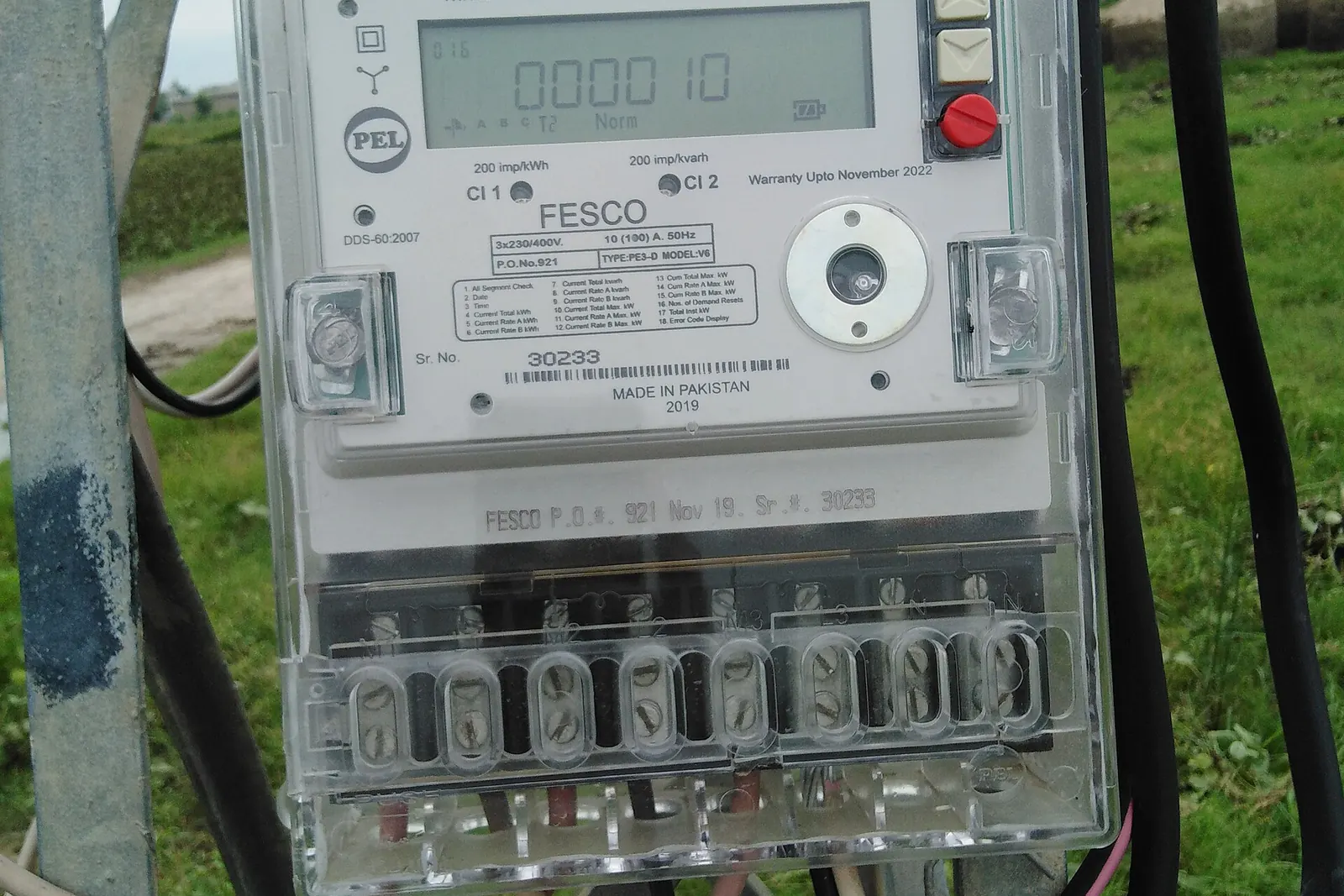
On 14 July 2024 Pakistan began a power-sector tariff rebasing process framed as part of cost recovery under its IMF programme pathway, to be followed by quarterly adjustments and monthly fuel price changes. For consumers, rebasing feels like another bill shock. For sector finances, timely notification is the difference between stopping circular-debt flow and pretending that arrears are fate. The analytical task is to hold both truths at once.
Cost-reflective tariffs are necessary. They are not sufficient. If the underlying power purchase price is inflated by surplus capacity payments, and if DISCOs lose a large share of energy before it is billed and collected, higher notified rates mainly transfer inefficiency to households and compliant industry. IMF staff commentary summarised in contemporaneous reporting stressed exactly that point: subsidies of the order of one per cent of GDP can stabilise nominal circular-debt flow for a time, but large ongoing subsidies are not a viable ongoing tool. Cost-side reform must accompany price adjustment.
The FY25 budgeted power subsidy figure reported alongside the EFF discussion, Rs 1,229 billion, or about one per cent of GDP, was intended to help net circular-debt flow over the fiscal year while structural measures proceeded. That framing is a cash bridge, not a destination. Bridges fail when the far bank never arrives. The far bank, in this case, is lower generation costs, lower losses, and private participation in distribution management.
Rebasing also interacts with politics. Cross-subsidies from industry and higher slabs to lifeline consumers are socially motivated and fiscally messy. The reform direction discussed with the Fund, phasing household cross-subsidies toward targeted cash transfers such as BISP as fiscal space allows, is cleaner economics. It is harder politics. Provinces defending agricultural tariffs add another layer. Electricity pricing is always distributional. Pretending it is only technical invites backlash that reverses notifications.
Transition Economics Institute’s July 2024 note is that the quality of rebasing should be judged by three published metrics each quarter: the gap between notified and cost-recovery tariffs; the change in circular-debt flow; and the change in average power purchase price attributable to capacity renegotiation rather than fuel luck. If only the first moves, Pakistan is running a price programme without a cost programme.
Monthly fuel charges pass through RLNG, coal, and furnace-oil swings into consumer bills quickly. That is appropriate for variable costs. It becomes socially explosive when fixed capacity charges are also high, because consumers experience a rising floor under every fuel spike. Separating the communication of energy versus capacity components would improve literacy and accountability, even if the total bill remains painful.
Industrial response to rebasing is already visible in solar imports and captive strategies. Each megawatt that leaves the daytime grid worsens the fixed-cost recovery problem for those who remain. Policymakers who celebrate solar deployment without reforming net-metering cost allocation and capacity contracts are stacking two partial solutions that fight each other. Integrated sequencing is overdue.
Finally, regulatory independence matters in the mechanics. If NEPRA determinations are delayed or selectively notified, cost recovery becomes a political toggle. The July rebasing is a chance to normalise automaticity. Automaticity is not cruelty; ad hoc freezes followed by cliff adjustments are crueler. Pakistan has lived that cycle. Breaking it requires courage on costs as much as courage on prices.
Institutional accountability remains the missing hinge. NEPRA, the Power Division, CPPA-G, the system operator, and the DISCOs each hold a piece of the puzzle, yet none owns the full cash-conversion cycle. Until reporting, incentives, and penalties are aligned to the same monthly cash target, reform statements will continue to outrun results. Transition Economics Institute will keep measuring progress by whether billed energy turns into settled rupees, whether fixed generation obligations shrink in line with the demand profile, and whether consumers see durable relief rather than a temporary rebate financed by another round of arrears.