
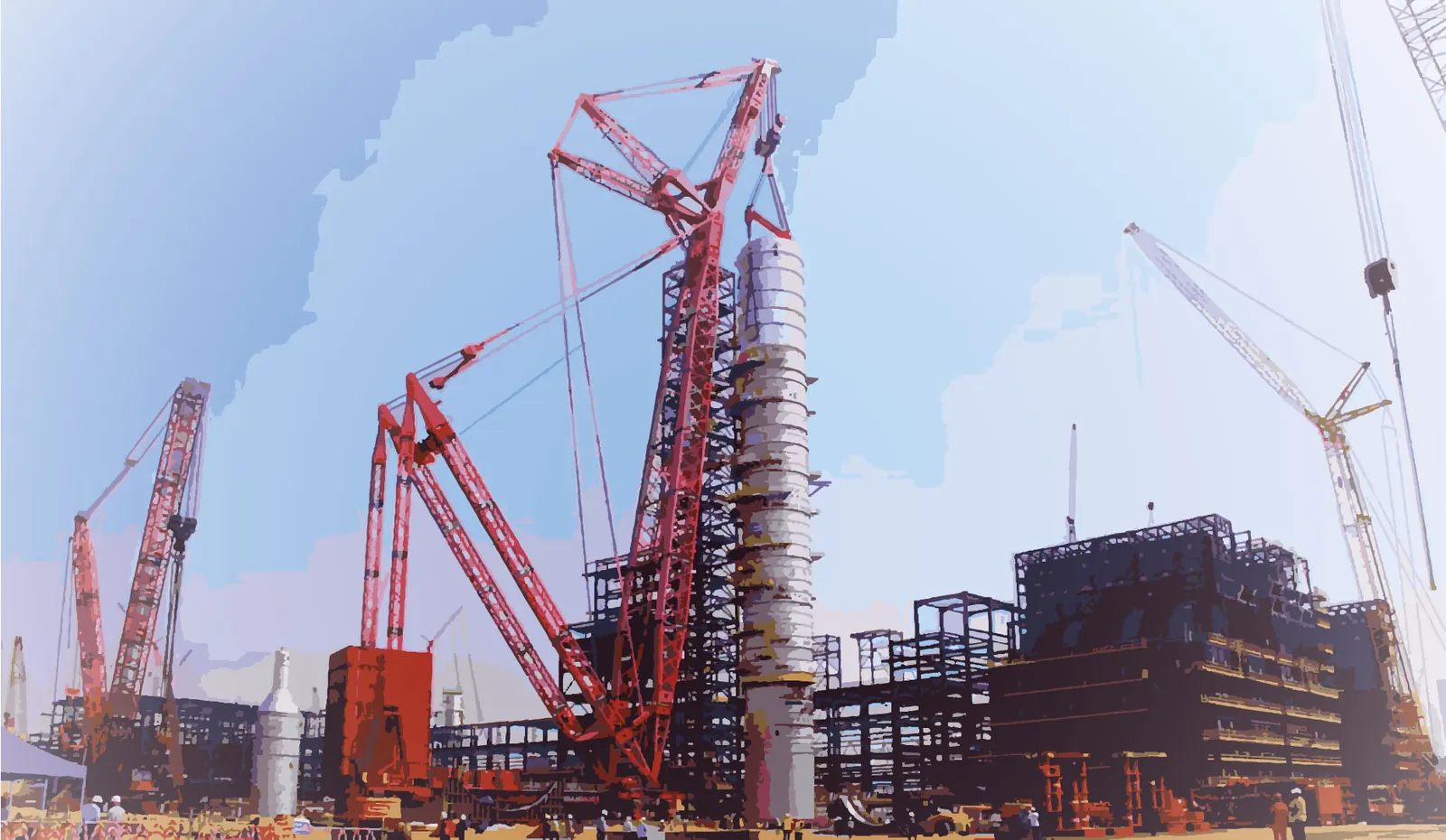
On 15 September 2024 trucks belonging to the Nigerian National Petroleum Company began loading petrol at the Dangote refinery in Ibeju-Lekki, Lagos. It was a moment Nigeria had waited decades for: domestically refined gasoline from a 650,000 barrel-a-day plant, in a country that has exported crude and imported almost all of its fuel for most of its history. Within hours the occasion turned into a public argument about price. NNPC's spokesman, Olufemi Soneye, said the company had bought the first cargo at N898 per litre. Dangote said that figure was misleading, that its current crude stock had been bought in dollars, and that Nigerians should await the formal pricing framework from the technical sub-committee on naira-based crude sales to local refineries, due to start on 1 October 2024.
The next day NNPC published estimated pump prices for Dangote petrol at its retail stations, ranging from N950.22 per litre in Lagos to N1,019.22 in Borno. It confirmed it was paying Dangote in US dollars for September offtake and said that, under the Petroleum Industry Act, petrol prices are not set by government but negotiated at arm's length. Our view is that the argument is not a sideshow. It reveals that Nigeria has built a refinery before it has settled the commercial rules that determine who benefits from it.
The arithmetic behind the dispute
Domestic refining does not by itself make petrol cheap. A refiner sells at a price that reflects the value of its crude and the margin it can earn, and that value is set internationally. If Dangote buys crude at world prices in dollars, as it did for the stock that produced the first cargoes, its petrol will be priced near import parity. The savings for Nigeria come from avoided freight, avoided import margins and the foreign exchange that stays in the country, not from a fundamentally lower cost of the product.
The Nation reported that NNPC's template showed petrol could be bought at N842.61 per litre on an import-parity basis using Platts benchmarks, against the N898 paid to Dangote. Reports also cited a payment of around USD 120 million for 25 million litres, with only about 16.8 million litres released in the first loading. Whatever the precise reconciliation, the dispute shows the core problem. The first domestically refined petrol appeared to cost the national oil company more than imports would have, which is the opposite of what the public had been led to expect.
The naira-for-crude bargain
The government's answer is the naira-for-crude arrangement, under which Nigerian crude is sold to local refiners in naira and refined products are bought back in naira. The intention is to remove foreign exchange pressure from the fuel market and to let local refining insulate consumers from naira weakness.
This is where the economics need careful handling. If crude is sold to Dangote in naira at an exchange rate below the market rate, the refiner is receiving an implicit subsidy, which should then be passed through in lower petrol prices. If it is sold at the market rate, the benefit to consumers is limited to logistics and import savings. Either way, the crude belongs to the Nigerian state and its partners, and selling it domestically at below its export value is a fiscal choice with a cost. Petrol subsidy was formally removed in May 2023 because the cost had become unbearable. A naira-for-crude regime that underprices crude would bring a version of that subsidy back by a different route, hidden inside crude allocations rather than on the budget.
Crude supply is the other half of the bargain
The pricing row also obscures a supply question. A refinery of this size needs a steady flow of crude, and Nigeria's own output has for years been held back by pipeline theft, vandalism and underinvestment. Dangote has at times bought cargoes from abroad, including from the United States, because it could not secure enough domestic crude on terms it found acceptable. That is why its first petrol was made from crude bought in dollars. If the naira-for-crude scheme is to work, the state and its upstream partners have to commit volumes that they can actually deliver, at a defined price, month after month. A scheme that allocates crude on paper but fails to deliver it would leave the refinery buying imports in dollars, and the foreign exchange benefit that justified the policy would largely disappear.
Market structure is the larger risk
The Dangote plant is large relative to Nigerian demand. Once it is running at scale, it could supply most of the country's gasoline. That brings efficiency, but it also concentrates pricing power in a single private refiner and a single dominant offtaker in NNPC. The arrangement in September, with NNPC buying at a negotiated price and setting retail prices across its network, shows how quickly pricing can become a bilateral negotiation between two powerful actors rather than a competitive market.
The Petroleum Industry Act was intended to create a deregulated downstream market. For that to mean anything, independent marketers need the ability to buy from Dangote and from importers on comparable terms, import licences need to remain available as a competitive check, and the downstream regulator needs to publish wholesale and retail price data so that margins are visible. Without those checks, Nigeria risks swapping one opaque system, government-administered imports, for another, a domestic near-monopoly with unclear pricing.
What Nigeria should do
First, publish the naira-for-crude pricing formula and the exchange rate used. If the crude is discounted, the size of the discount should be known and treated as a fiscal cost. Second, keep import competition alive. Independent importers are the discipline that stops domestic refinery prices drifting above import parity. Third, require the downstream regulator to publish weekly ex-depot and pump prices, so consumers and analysts can compare Dangote supply against imports.
Our assessment
The Dangote refinery is a major industrial achievement and should, over time, improve Nigeria's fuel security and its balance of payments. But the first fortnight of petrol sales shows that the price of fuel in Nigeria will still be set by world crude prices and the exchange rate, and that the rules for sharing the benefits of domestic refining are not settled. The government's job now is not to promise cheaper petrol. It is to make pricing transparent and keep the market contestable, so that whatever savings domestic refining produces reach consumers rather than being absorbed in a negotiation between the refiner and the national oil company.