
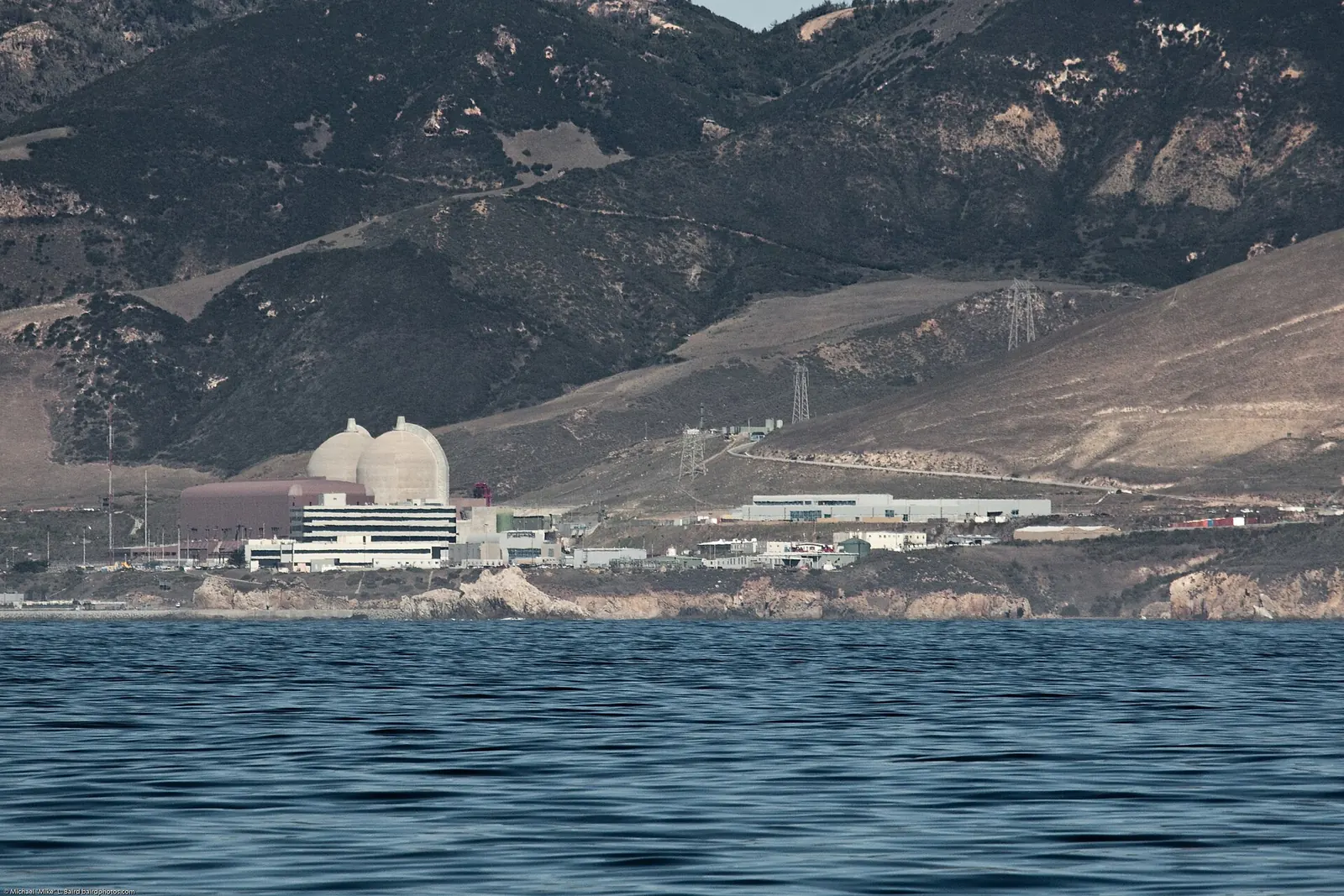
Advanced reactor legislation grabbed headlines in July 2024 when the ADVANCE Act was signed, passing the Senate 88 to 2 and the House 393 to 13. The quieter, larger reliability story remains the existing light-water fleet. Licence renewals, power uprates where physical margins allow, and careful outage management determine how much firm, low-carbon energy the United States actually has while new designs crawl through first-of-a-kind learning.
Why the operating fleet matters more than brochures
A renewed reactor delivers energy and accredited capacity on a timetable measured in refuelling outages, not in decade-long construction optimism. As coal exits continue, EIA's February 2024 survey planned 2.3 gigawatts of coal retirements in 2024 after 22.3 gigawatts over the prior two years, with 10.9 gigawatts of coal exits then expected in 2025 plans. Firm replacements are scarce. Gas fills much of the operational gap. Nuclear that stays online reduces pressure on gas and on winter adequacy.
The ADVANCE Act improves licensing process for advanced designs and related NRC institutional capacity. It does not replace the need to keep existing units economically whole where they remain safe and economic. State support mechanisms, federal production incentives where applicable, and market revenues together decide whether an owner seeks renewal or decommissioning.
Co-location interest
Large digital loads increasingly look at nuclear sites for firm supply. That interest is rational given high load factors. It also raises market-design and transmission-charge questions that FERC and RTOs must answer carefully so that other customers neither subsidise nor block efficient use of existing firm capacity. Interconnection rules under Order No. 2023 still govern any new generating units on site; load interconnection rules govern the campus itself.
Transmission and water and community
Nuclear sites already have transmission connectivity and trained workforces. Those are strategic assets. They do not eliminate the need for switchyard upgrades when load or uprates change power flows. Community consent for long-term operation, spent fuel management politics, and cooling-water constraints under climate-stressed summers remain live issues. Analysts who treat renewal as automatic misunderstand local politics.
Portfolio logic for the early 2030s
A sober portfolio keeps existing nuclear where safe and economic, pursues uprates with engineering conservatism, advances ADVANCE Act implementation for new designs without counting them early in adequacy tables, builds transmission under Order No. 1920 logic, and maintains enough flexible gas and storage to cover renewable droughts. That portfolio is dull. Dull is how grids stay lit.
The practical discipline is unchanged across fuel types and market constructs. Read the primary docket or statistical release before arguing about national destiny. Separate nameplate megawatts from accredited capacity, and contracted offtake from commissioned trains. Map interconnection and transmission lead times onto customer energisation promises rather than the other way round. Treat winter and summer extreme cases as design conditions. When federal policy shifts, update the slope of the forecast without rewriting physical laws. When state commissions push back on cost allocation, treat that push-back as part of the build path rather than as noise. United States energy infrastructure is financed, permitted and operated by people who must reconcile those constraints daily. Analysis that ignores them will not survive first contact with a peak day. Regional operators will continue to publish winter assessments, summer reliability outlooks and interconnection status reports. Those documents, read together with EIA inventories and FERC orders, give a clearer picture than any single speech. Investors should price execution risk honestly. Policymakers should resist the urge to treat one statute or one survey table as the whole system. The grid is a machine. Machines care about margins, not metaphors.