
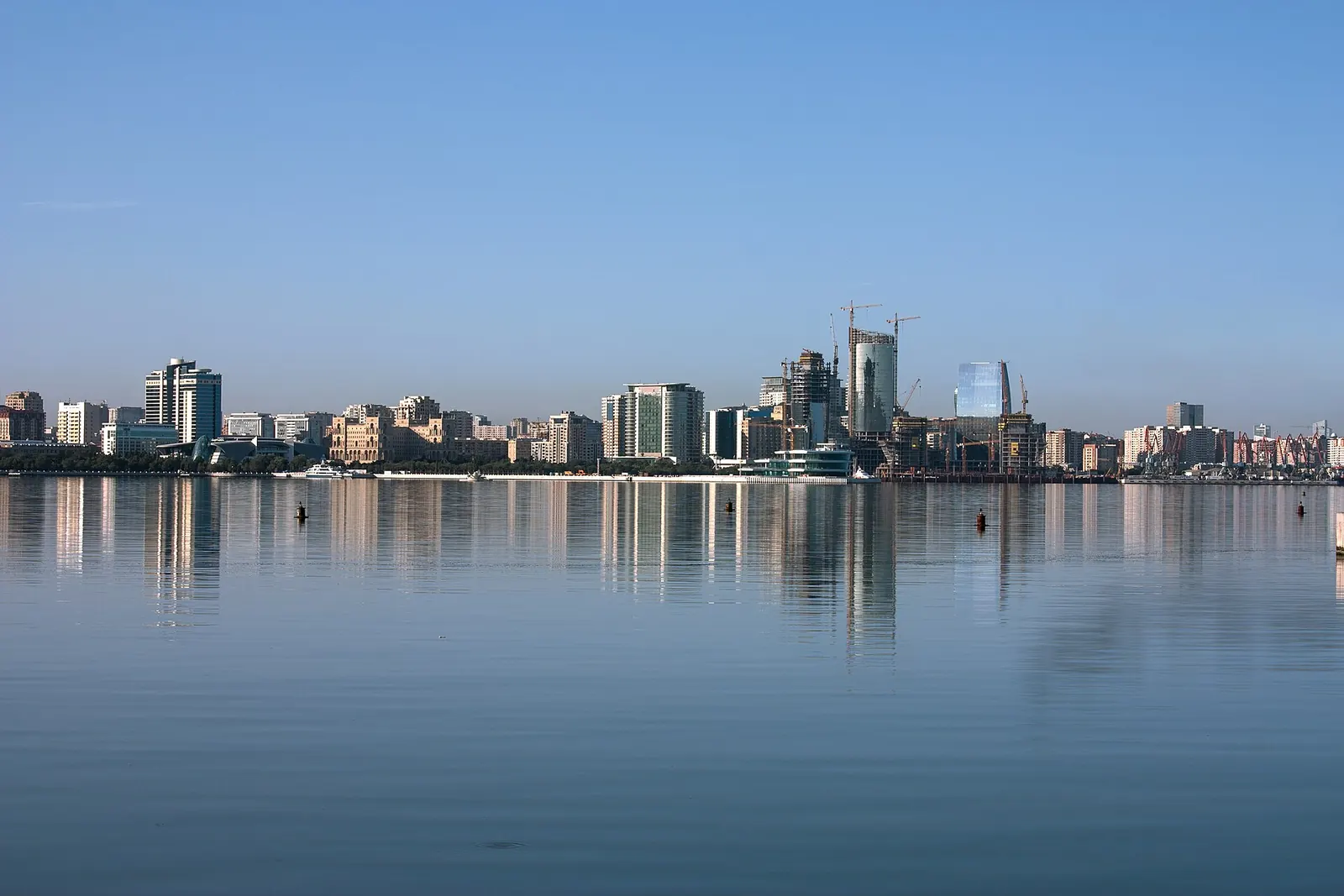
After two weeks of difficult negotiations, the COP29 climate conference in Baku closed in the early hours of 24 November with agreement on a New Collective Quantified Goal for climate finance. Developed countries will take the lead in mobilising at least USD 300 billion a year for developing countries by 2035, three times the previous goal of USD 100 billion a year that applied from 2020 to 2025. The decision also calls on all actors to work towards scaling up finance to developing countries from public and private sources to at least USD 1.3 trillion a year by 2035, and launches a "Baku to Belém Roadmap" to show how that larger figure might be reached.
Many developing countries left Baku deeply disappointed. The Least Developed Countries Group said the countries most responsible for the climate crisis had failed them, and India's delegation objected strongly to the adoption of the decision. Our view is that the disappointment is understandable but that the headline number matters less than how the money is delivered. For energy investment in emerging economies, the key constraint is not the volume of concessional finance alone but the cost of capital. The goal will make a difference only if it is used to reduce risk for much larger private flows into grids, renewables and efficiency.
What was agreed
According to the World Resources Institute's analysis, the USD 300 billion goal is made up of public finance plus private finance specifically mobilised by that public finance. Unlike the previous goal, the decision recognises the voluntary intention of countries to count all climate finance flowing through multilateral development banks towards the target. It also encourages developing countries to make contributions voluntarily, a softer formulation than some developed countries sought, which had wanted China and Gulf states to take on obligations.
The text says relatively little on the quality of finance. Many developing countries argued that grants and highly concessional loans matter more than the headline total, and that much existing climate finance comes as market-rate loans that add to debt burdens. The final decision mentions the special circumstances of least developed countries and small island states and calls for easier access, but does not set sub-targets for adaptation or for grant shares. Progress will be tracked through the Paris Agreement's transparency framework, with a progress report in 2028 and a review in 2030.
COP29 also failed to reach agreement on how to follow up the COP28 call for transitioning away from fossil fuels, deferring the issue to future sessions. On carbon markets, it completed key rules for Article 6, allowing international trading of emission reductions to begin.
The financing gap in energy
The energy dimension of the gap is stark. The IEA has repeatedly pointed out that emerging and developing economies outside China receive a small share of global clean energy investment despite accounting for a large share of the world's population and future demand growth. High financing costs are the main barrier. The IEA has found that the cost of capital for clean energy projects in many emerging and developing economies is two to three times higher than in advanced economies, even though equipment costs are similar. That difference often decides whether a project goes ahead.
USD 300 billion a year across all climate needs, including adaptation, cannot fund the energy transition directly. But it can reduce the cost of capital for much larger private investment if it is used for guarantees, first-loss capital, currency hedging and blended finance structures. Every dollar of public money used to absorb risks that private investors cannot price can unlock several dollars of private investment.
What developing country governments should do
For governments in South Asia, Africa and elsewhere, the new goal is an opportunity, but only if they are ready to use it. That means having pipelines of bankable projects in renewable generation, transmission and distribution, with clear tariff frameworks and payment security. Countries whose state utilities are in financial distress, with large arrears to generators, will struggle to attract either public or private finance regardless of global goals. Power sector reform, including cost-reflective tariffs with targeted protection for poorer households, is a precondition.
Countries should also prepare strong new nationally determined contributions, due in 2025, that set out credible energy investment plans and identify where international support is needed. Investors and development banks look for clear, consistent national strategies. Vague targets without implementation plans attract little finance.
The fossil fuel question
The failure to reaffirm the COP28 language on transitioning away from fossil fuels matters for energy investors too. Without a clear international signal, national policies will continue to diverge. For developing countries with growing demand, the practical question is less about phasing out fossil fuels quickly than about ensuring that new demand is met mainly by clean sources. Finance that lowers the cost of renewables and grids makes that choice easier and cheaper. Without it, cheap coal and, increasingly, cheap LNG will remain attractive options, and the emissions locked in by new plants will last for decades.
What development banks should do
Multilateral development banks are central to the new goal, since their climate finance can now count towards it. They should prioritise instruments that mobilise private capital, including guarantees and local currency lending, rather than relying mainly on direct loans. They should also be willing to take more risk on their balance sheets, as recent reforms have encouraged. Without that shift, the goal risks being met on paper through relabelled lending while actual investment in clean energy in the poorest countries barely changes.
Our assessment
The COP29 finance goal is a modest step that falls well short of what developing countries need and what many hoped for. But its value will be determined by how it is used rather than by its size. If public finance is used to cut the cost of capital and crowd in private investment in grids and renewables, the energy transition in emerging economies can accelerate. If it is used mainly for market-rate loans or relabelled existing flows, little will change. The year to COP30 in Belém is the time to show which path the system will take.