
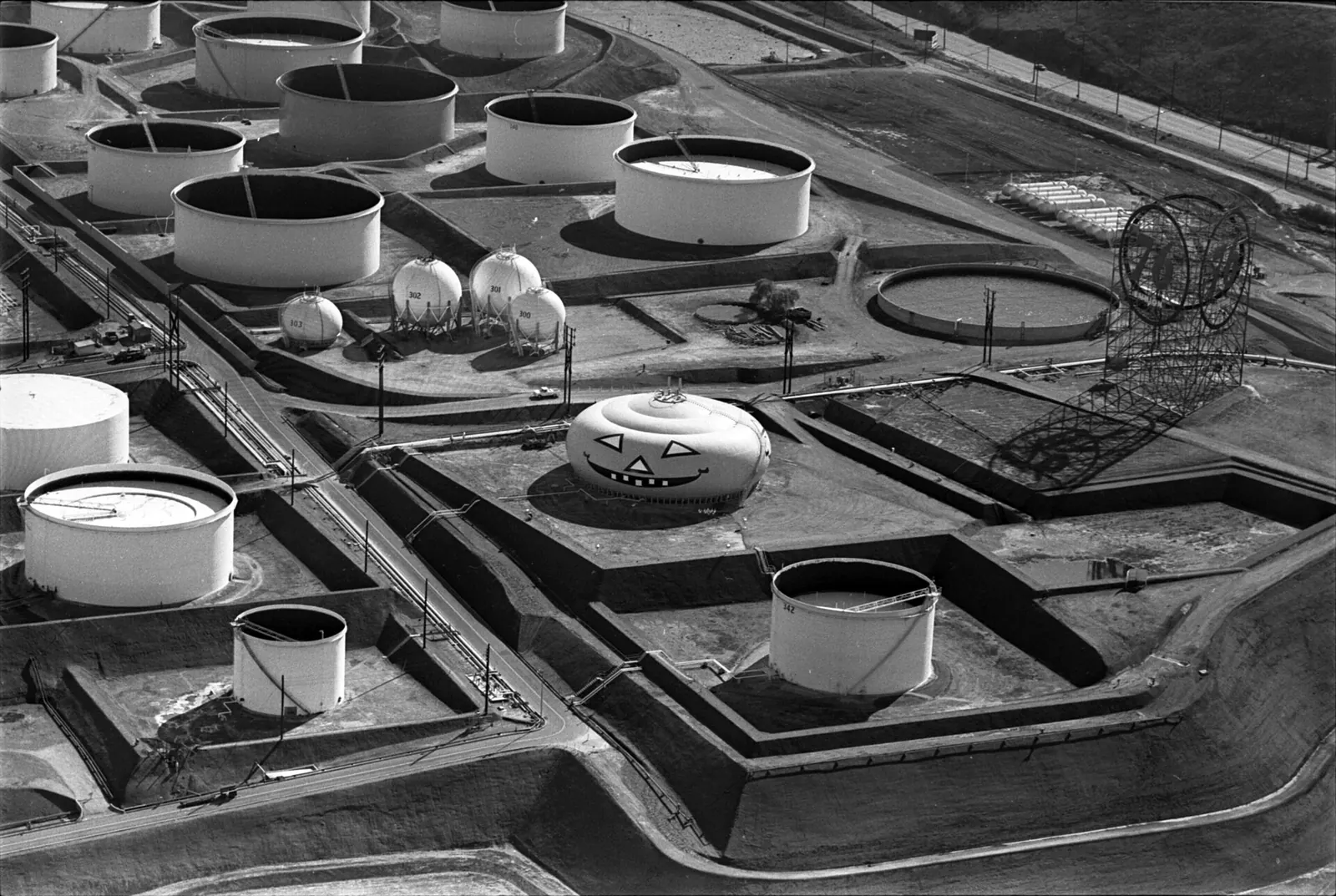
In mid-October, two announcements arrived within days of each other in California. On October 14, Governor Gavin Newsom signed ABx2-1, which gives state regulators power to set and adjust minimum inventory levels for petroleum products held by refiners, partly to reduce price volatility. Two days later, Phillips 66 announced that it would stop refining at its 139,000 barrel per day Wilmington refinery in Los Angeles in the fourth quarter of 2025.
The company's chief executive later said the closure was not an immediate response to any policy change, but reflected an expectation that refining in California would become increasingly difficult. Whatever the motive, the two events capture the state's dilemma. California wants a more stable fuel market, which requires more supply cushion. It also has a shrinking refining base, a policy commitment to phasing down petroleum, and very few ways to bring in fuel from elsewhere quickly.
A fuel island
The Energy Information Administration's description of the West Coast market starts with geography. Most West Coast refining capacity is in California, and conditions there drive the wider region. Local production is particularly important because limited infrastructure exists to bring in additional supply from other parts of the country. There is no pipeline connecting the Gulf Coast refining center to California. Fuel from elsewhere arrives mainly by ship.
California also requires its own gasoline formulation, which few refineries outside the state produce. That narrows the pool of potential suppliers when a local refinery has an outage. When a California refinery goes down unexpectedly, prices can spike sharply because replacement product may be weeks away.
Capacity is already falling
The Wilmington closure continues a trend. The West Coast lost 285,000 barrels per day of refining capacity after Marathon closed its 161,000 b/d Martinez refinery in 2020 and Phillips 66 converted its Rodeo refinery near San Francisco to renewable diesel, ending petroleum refining there in February 2024. When Wilmington closes, Phillips 66 will have stopped all crude oil refining in California.
The region has adapted partly by importing from other US regions. Interregional transfers of refined products to the West Coast reached a record 482,000 barrels per day in 2023, 40% higher than in 2010, with the Gulf Coast and Midwest accounting for 80% of those transfers. More product also arrives from Asia. Each closure increases dependence on supply that takes longer to arrive and is more expensive to move.
Inventory is the buffer that is missing
The EIA's analysis of inventories shows why ABx2-1 focuses on storage. After removing pipeline volumes, California gasoline inventories have consistently been lower than the US average on a days-of-supply basis. If inventories drop too low, retailers struggle to secure product and prices rise sharply. In a market where replacement supply takes weeks, a thin inventory is a direct path to price spikes.
Requiring refiners to hold minimum inventories should reduce the frequency and size of those spikes. But inventory is costly to hold. It ties up working capital, requires tank space and exposes the holder to price risk. Refiners will pass at least some of that cost to consumers, and for a refiner already weighing whether to stay in the state, it is one more cost on the wrong side of the ledger.
Margins do not always tell the story you expect
One might expect shrinking capacity to produce permanently high refining margins on the West Coast. That has been true for much of the period since 2022, when regional crack spreads, the difference between product and crude prices, were generally above the five-year average. But the EIA's data for 2024 show how quickly that can reverse.
In early May 2024, Los Angeles gasoline crack spreads fell below their 2019 to 2023 average for the time of year, as refineries returned from maintenance and gasoline consumption fell. Jet fuel showed the same pattern even more strongly. West Coast jet fuel inventories exceeded the five-year average by 20% or more every week from July 12, reaching more than 12 million barrels in early September. Los Angeles jet crack spreads averaged just 5 cents a gallon in August, lower than at any point in the previous five years, including the onset of the pandemic. Refiners had shifted yields toward jet, while consumption remained below 2019 levels.
The lesson is that the West Coast market can swing between scarcity and glut within months. That volatility is precisely what makes it hard for refiners to plan investment and for regulators to set inventory requirements at the right level.
The policy tension
California's long-term climate policy envisions a steep decline in petroleum use as electric vehicles replace gasoline cars. In that world, refining capacity should shrink. The question is the sequence. If refining capacity falls faster than demand, the state becomes more dependent on imports and more exposed to price spikes. If it falls slower, refiners face declining utilization and may close abruptly when maintenance costs become too high.
ABx2-1 tries to manage the transition by requiring a buffer. That is reasonable. But it does not address the core issue, which is that refiners are leaving because they do not expect the business to be viable over the life of their next major investment. Inventory requirements make the remaining refiners' operations more expensive, not less.
What would help
Three things would make the transition more orderly. The first is better import infrastructure: marine terminals, tank capacity and blending facilities that allow California-specification gasoline to be imported reliably when local refineries close. The second is clearer long-term signals on the pace of decline, so refiners can plan maintenance and closure rather than deciding suddenly. The third is coordination with other West Coast states, since California's refining decisions affect Arizona, Nevada and Oregon.
The Wilmington closure is scheduled for late 2025. The state has about a year to prepare for the loss of 139,000 barrels a day of local capacity. How it uses that year, and whether it treats import capacity as seriously as it treats refinery inventories, will determine whether drivers notice.