
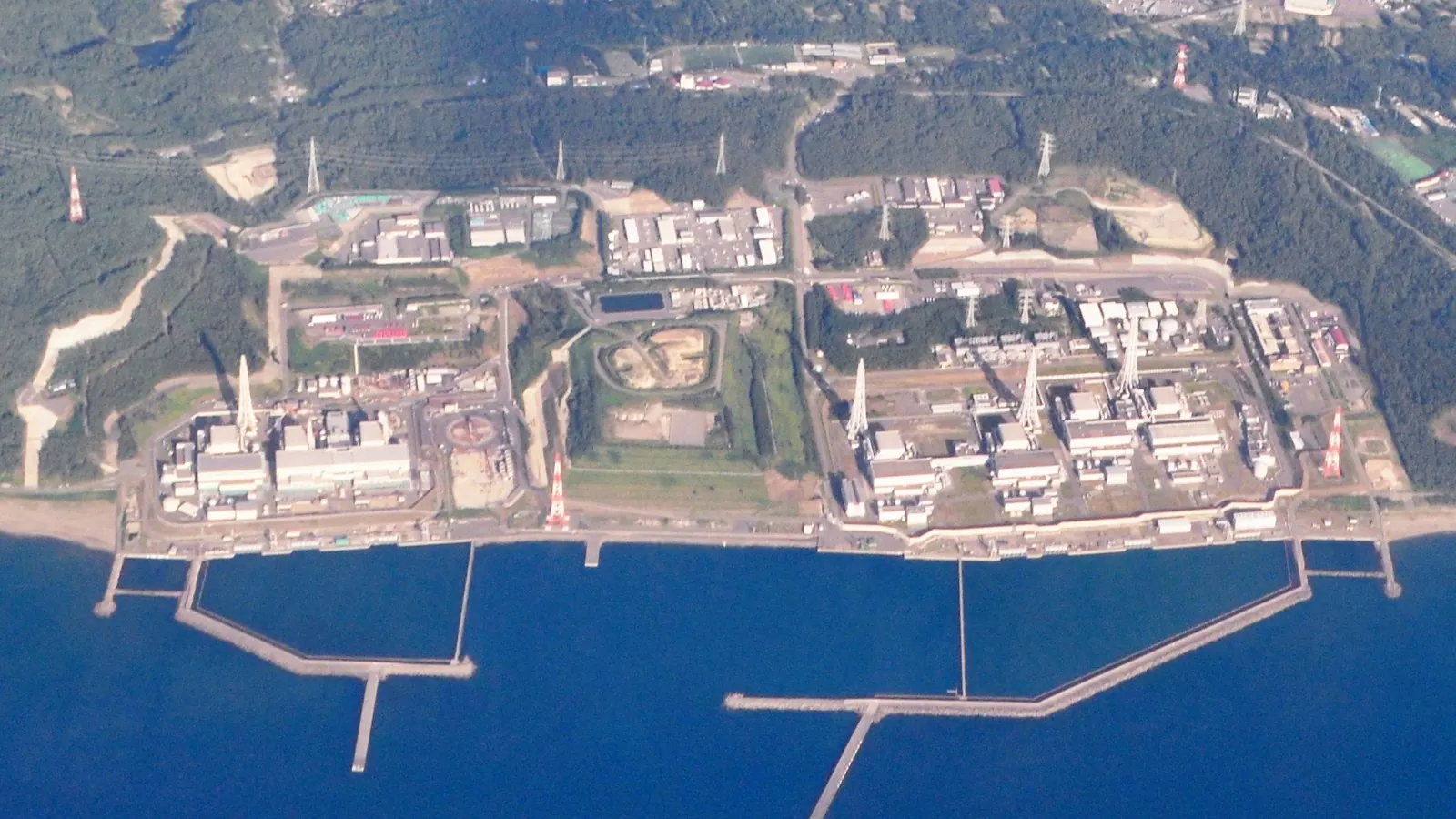
On 18 February 2025 Japan's Cabinet approved the Seventh Strategic Energy Plan, the government's framework for energy policy to fiscal year 2040. The plan sets indicative shares for the electricity mix in 2040 of 40 to 50 per cent renewables, around 20 per cent nuclear and 30 to 40 per cent thermal power. Within renewables it envisages 23 to 29 per cent from solar, 4 to 8 per cent from wind, 8 to 10 per cent from hydro, 1 to 2 per cent from geothermal and 5 to 6 per cent from biomass. It was approved alongside Japan's new nationally determined contribution, which targets a 73 per cent cut in greenhouse gas emissions by fiscal year 2040 from 2013 levels, and the GX 2040 Vision for green transformation of industry.
The plan's most significant change is in tone. Earlier plans spoke of reducing dependence on nuclear power as much as possible. The seventh plan drops that language and calls for maximum use of both renewables and nuclear as carbon-free sources. It also expects electricity demand to rise, driven by data centres and semiconductor plants, after years in which Japanese demand was flat or falling. Our view is that the shift towards using all low-carbon sources is sensible for a resource-poor country that imports almost all of its fossil fuels. But the plan is weakest where Japan's real challenge lies: the large thermal share that remains in 2040 and the lack of a clear path for the gas and coal plants that will still be needed.
Rising demand changes the calculation
For more than a decade, Japanese energy planning assumed stable or declining power demand, as population fell and efficiency improved. The seventh plan reverses that assumption. Government projections cited in coverage of the plan foresee electricity generation rising by 2040, with the growth of AI-related data centres and new chip factories, including those supported by government subsidies in Kyushu and Hokkaido, as major drivers.
Rising demand makes the decarbonisation task harder. Every additional terawatt-hour must come from low-carbon sources if emissions are to fall. It also strengthens the case for nuclear power, which can provide large volumes of steady output, and for accelerating renewables, which can be built faster than new reactors.
The nuclear question
A share of around 20 per cent for nuclear in 2040 is ambitious. Japan's nuclear output has recovered only partially since the Fukushima accident in 2011. Many reactors remain offline, either awaiting regulatory approval, facing local opposition or held up by court rulings. Reaching 20 per cent would require restarting most of the reactors that can still pass safety reviews and, potentially, building new ones. The plan allows for new construction at sites of plants being decommissioned by the same operators, but no new reactor has been ordered and construction would take many years.
There is a reasonable case for restarts, which provide low-carbon power from existing assets at relatively low cost. New construction is more uncertain. Japan would need a regulatory and financial framework that gives utilities confidence to commit to projects that may cost very large sums, as overseas projects have shown.
The renewables question
A renewables share of 40 to 50 per cent is a large step from today's level. Solar is expected to provide the largest share, but Japan's suitable flat land is limited, and the best sites have already been used. Growth will need to come from rooftops, from agricultural land combined with solar, and from new technologies such as the perovskite cells that the government is supporting.
Wind is the larger untapped resource. Offshore wind is the main growth area, but Japan's programme has faced difficulties. Projects awarded in early rounds have struggled with rising costs, and the deep waters around much of Japan require floating foundations, which remain expensive. The plan's range of 4 to 8 per cent for wind reflects that uncertainty.
Grid integration is a further challenge. Japan's grid is divided into regional areas, with two different frequencies, 50 Hz in the east and 60 Hz in the west, and limited interconnection between them. Expanding inter-regional transmission and storage is essential if a high share of variable renewables is to be absorbed without curtailment.
The thermal bridge
The plan's 30 to 40 per cent for thermal power is where we see the most important gap. That is a large share of a growing system, and it implies continued reliance on imported LNG and coal well into the 2040s. The plan supports LNG as a transition fuel and stresses securing long-term contracts, and it envisages decarbonising thermal plants through co-firing with hydrogen and ammonia and through carbon capture.
Those technologies are at an early stage and expensive. Ammonia co-firing in coal plants has been demonstrated at small shares, but scaling it would require large imports of clean ammonia that do not yet exist. If the decarbonisation of thermal plants falls behind, Japan will reach 2040 with a large fossil fleet and emissions above its targets. The plan would be stronger if it set clear milestones for reducing unabated coal generation and for the deployment of carbon capture.
Energy security
Energy security runs through the plan. Japan imports almost all of its oil, gas and coal, and a large share of its oil comes from the Middle East. The plan's emphasis on nuclear and renewables reduces dependence on imports, and its support for long-term LNG contracts reduces exposure to spot market spikes. The war in Ukraine and the volatility of LNG prices in 2022 sharpened that concern. A system with more domestic low-carbon generation is more resilient to supply disruptions in distant shipping lanes.
Our assessment
The Seventh Strategic Energy Plan moves Japan towards a pragmatic, all-of-the-above approach to low-carbon power, with a renewed commitment to nuclear and a large expansion of renewables. That is the right direction for a country that must decarbonise while importing almost all its fossil fuels. But the plan relies heavily on technologies, such as new reactors, floating offshore wind, hydrogen and ammonia co-firing, that are not yet proven at scale in Japan. Its success will depend on how quickly reactors restart, whether offshore wind auctions can be revived and whether the thermal fleet can be cleaned up on schedule. Without clearer milestones for that thermal bridge, the 2040 mix is a direction rather than a plan.