
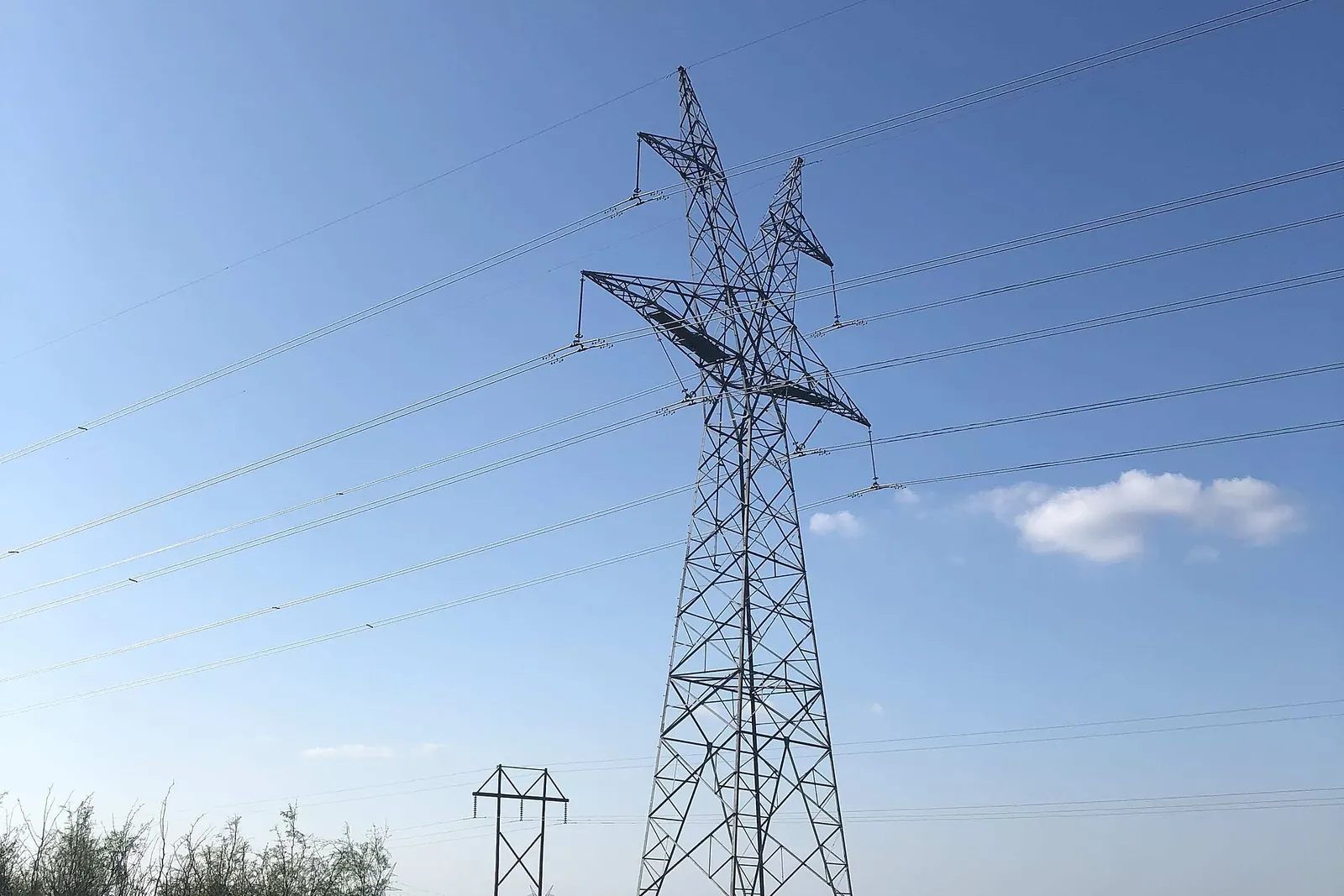
The Electric Reliability Council of Texas operates a grid that is largely separate from the Eastern and Western interconnections. That architecture concentrates both the costs and benefits of Texas choices inside Texas. Rapid large-load growth, especially from data centres and industrial projects, collides with interconnection timelines, gas deliverability in extreme weather, and the politics of retail prices. EIA's January 2025 outlook already flagged national electricity demand returning to multi-year growth, with commercial loads rising on data-centre consumption. Texas is one of the places where that national story becomes operationally sharp.
Planning without false comfort
Nameplate renewable capacity in Texas is large. Adequacy in a heat wave or freeze depends on accredited resources, fuel, and transmission between zones. Winterisation reforms after earlier crises improved preparedness, yet extreme cold remains a design condition for gas production, pipelines and generators alike. LNG feedgas pull on the Gulf Coast adds another competitor for molecules when freezes also raise heating demand.
Interconnection and transmission
National reforms under Order No. 2023 address generator interconnection processes under FERC's jurisdiction; ERCOT's governance differs, but the physics of queues, transformers and line siting do not. Large loads that expect energisation on software-industry timelines will meet steel-industry lead times. Order No. 1920's long-term planning logic, even where applied in FERC-jurisdictional regions, illustrates the same need Texas planners face: scenarios that include large loads explicitly.
Retirement context
Nationally, EIA planned 12.3 gigawatts of 2025 retirements with major coal exits, while earlier 2024 plans had shown a temporary slowdown. Texas gas and renewable additions interact with any local thermal exits. The lesson is to reconcile generator inventories with load interconnection queues every quarter, not once a year in a glossy report.
What “serious” looks like in Texas
Serious planning publishes large-load queues, aligns ancillary service needs with inverter-based penetration, stress-tests gas deliverability, and tells corporate customers truthful energisation dates. Political pressure to promise speed without capacity is how reliability margins vanish. ERCOT's independence from interstate markets is a feature for Texas policy autonomy. It is also a reminder that imports cannot quietly bail out a shortfall the way they sometimes can in eastern seams.
The practical discipline is unchanged across fuel types and market constructs. Read the primary docket or statistical release before arguing about national destiny. Separate nameplate megawatts from accredited capacity, and contracted offtake from commissioned trains. Map interconnection and transmission lead times onto customer energisation promises rather than the other way round. Treat winter and summer extreme cases as design conditions. When federal policy shifts, update the slope of the forecast without rewriting physical laws. When state commissions push back on cost allocation, treat that push-back as part of the build path rather than as noise. United States energy infrastructure is financed, permitted and operated by people who must reconcile those constraints daily. Analysis that ignores them will not survive first contact with a peak day. Regional operators will continue to publish winter assessments, summer reliability outlooks and interconnection status reports. Those documents, read together with EIA inventories and FERC orders, give a clearer picture than any single speech. Investors should price execution risk honestly. Policymakers should resist the urge to treat one statute or one survey table as the whole system. The grid is a machine. Machines care about margins, not metaphors.