
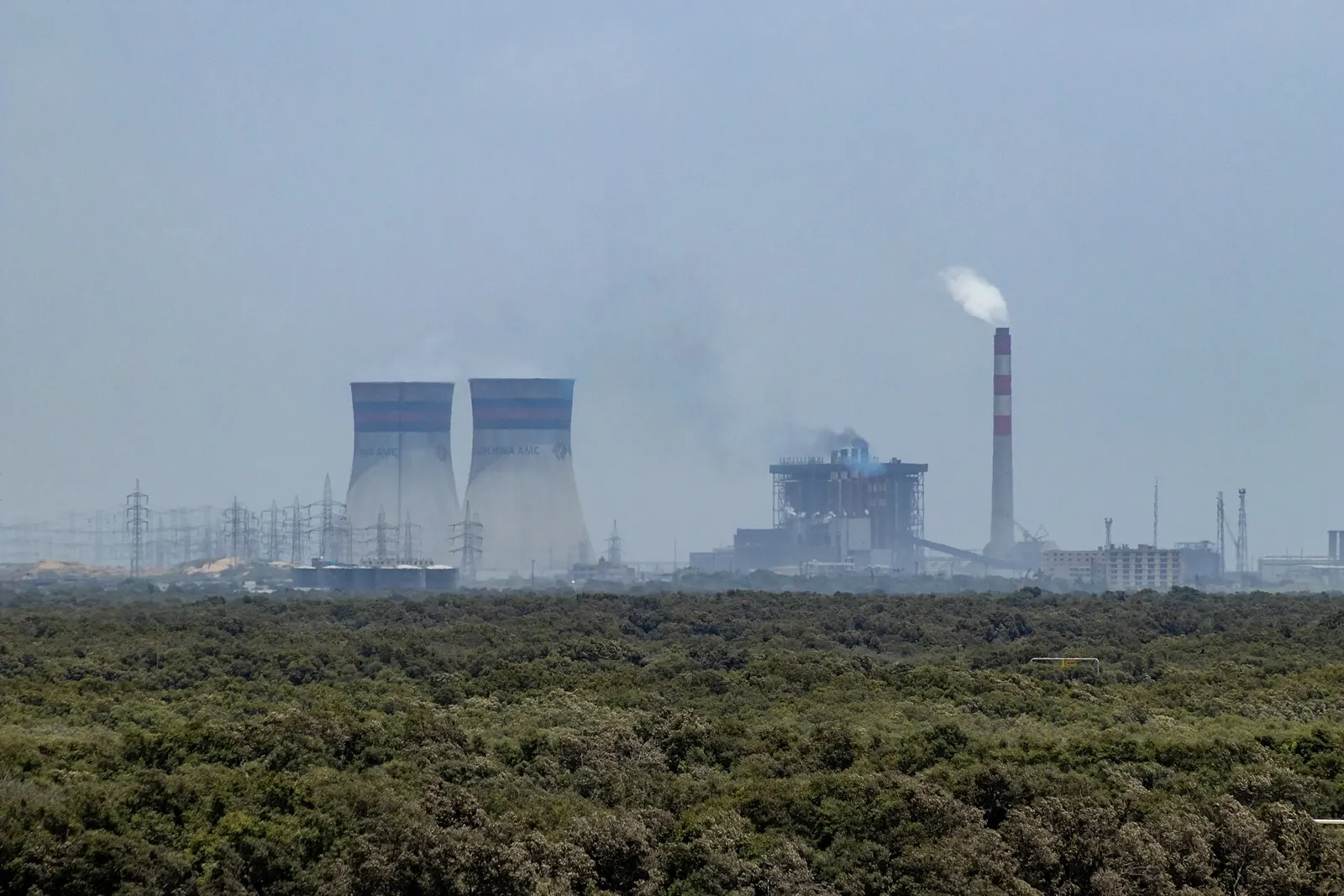
Pakistan’s coal fleet is a split personality. Imported-coal plants on the coast were built for scale and CPEC timelines. Thar lignite plants were built for indigenous security. In dispatch, the two compete on energy price, logistics, and contractual must-run features. In finance, both can generate receivables that feed circular debt. Mid-2025 credit analyses of Thar operators underlined local coal’s rising share in the generation mix while noting that imported coal still cleared on competitive dispatch in meaningful volumes.
Foreign-exchange arithmetic favours Thar when plants run. Dollars not spent on seaborne coal ease the current account. That advantage shrinks if Thar capacity charges are high, if mines are unpaid, or if transmission constraints force the system to run imported units out of economic preference. Least-cost operation is a joint fuel-and-wires problem.
Environmental differentiation belongs in the same ledger. Imported higher-grade coal and local lignite differ in ash, sulphur, and calorific value. Pollution-control investments and monitoring should be non-negotiable for both. Using indigenous status as a waiver for local air quality is how energy security loses social licence in Sindh’s communities.
Transition Economics Institute advises publishing a monthly comparative table: megawatt-hours from local coal versus imported coal, estimated dollar fuel bill avoided or incurred, and capacity payments associated with each class. Without that table, industrial policy anecdotes dominate. With it, cabinet can retire or convert the truly expensive imported contracts from a position of evidence.
Port logistics and freight for imported coal add volatility that mine-mouth lignite avoids. Yet imported plants can sometimes buy spot coal cheaply enough to beat lignite on variable cost. That is not betrayal of Thar; it is merit order working. Contract structures that prevent such optimisation are the problem.
Lucky Electric’s pathway toward Thar fuel, contingent on mine expansion, shows how imported-coal assets may convert rather than strand. Conversion economics depend on Phase-III mine finance clearing the receivables hurdle discussed in 2024. Policy should track that dependency explicitly.
Coal’s long-term role will shrink if renewables, hydro, and storage scale with flexibility. Until then, honesty about residual baseload needs beats aspirational phase-out dates that ignore winter evenings. Local coal can be a bridge. Bridges are temporary by definition. Build the landing: grids, storage, and demand response.
Institutional accountability remains the missing hinge. NEPRA, the Power Division, CPPA-G, the system operator, and the DISCOs each hold a piece of the puzzle, yet none owns the full cash-conversion cycle. Until reporting, incentives, and penalties are aligned to the same monthly cash target, reform statements will continue to outrun results. Transition Economics Institute will keep measuring progress by whether billed energy turns into settled rupees, whether fixed generation obligations shrink in line with the demand profile, and whether consumers see durable relief rather than a temporary rebate financed by another round of arrears.