
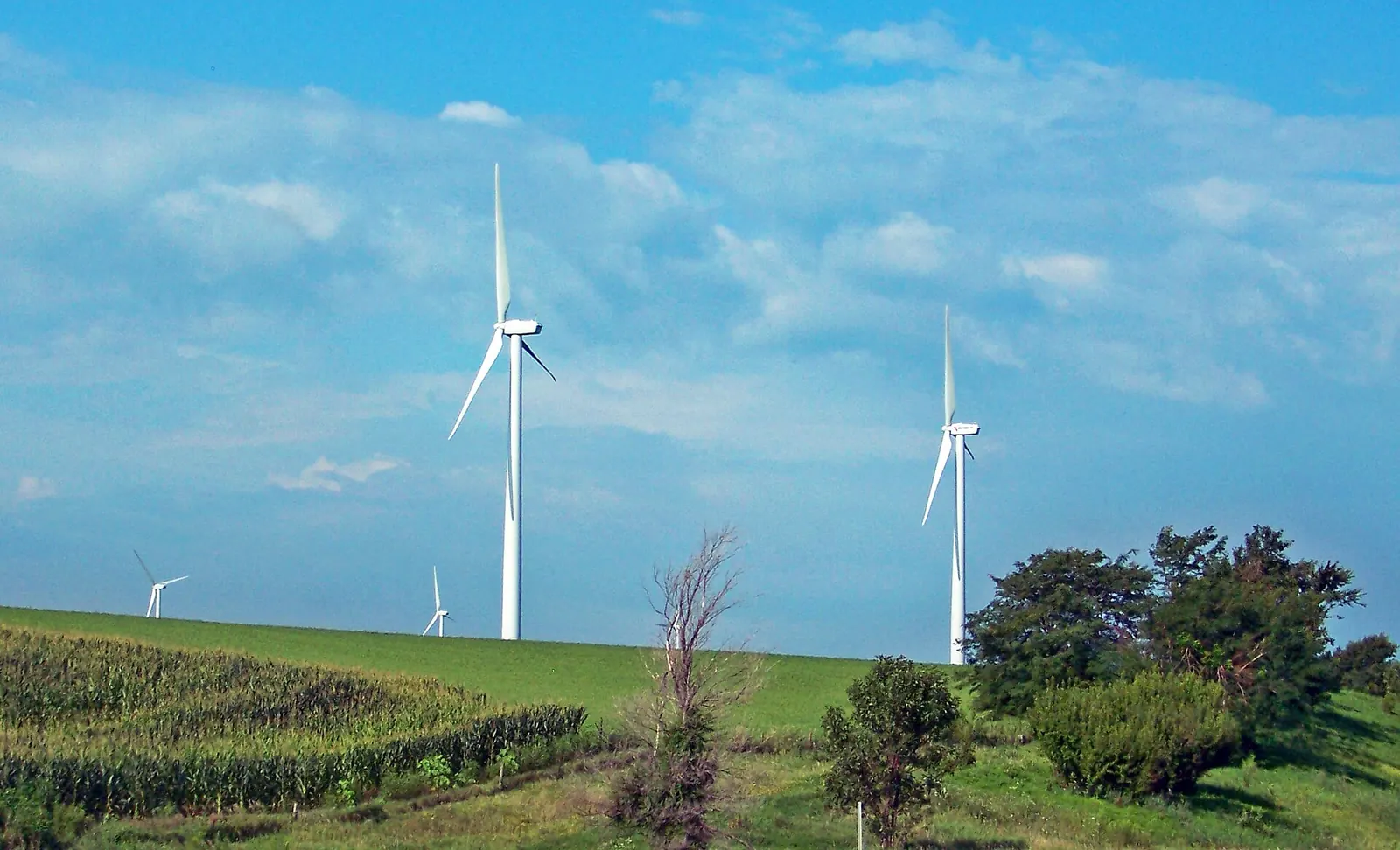
On July 4, 2025, President Trump signed H.R. 1, the One Big Beautiful Bill Act, into law. Passed through budget reconciliation, the law extends the 2017 tax cuts and pays for part of the cost by cutting back the clean energy tax credits created by the Inflation Reduction Act. The changes for wind and solar are the most severe. Under the new law, as summarized by Nixon Peabody, wind and solar projects can claim the technology-neutral production credit under section 45Y or the investment credit under section 48E only if they begin construction by July 4, 2026, or are placed in service by December 31, 2027. Projects that miss both deadlines get nothing. Under prior law, the credits would not have begun to phase down until 2032 at the earliest.
Three days later, on July 7, the president issued an executive order directing the Treasury Secretary to strictly enforce the termination of the credits for wind and solar, including by issuing new guidance on what counts as beginning construction. Our view is that the law will produce a short boom followed by a sharp slowdown in new wind and solar development, unless electricity prices rise enough to make unsubsidized projects competitive at scale. It will also raise power costs for utilities and large buyers at a time of fast-growing demand. Developers, utilities and buyers need to plan around the next twelve months very carefully.
What survives
The law is less sweeping than some earlier drafts. Credits for geothermal, hydropower, nuclear, fuel cells, battery storage and other non-wind, non-solar technologies continue under their previous schedule, with full value for projects that begin construction by the end of 2033 and a phase-down over the following two years. The bonus credits for domestic content, energy communities and low-income communities remain, as does the ability to transfer credits to third parties and the option of direct payment for tax-exempt entities. A proposed accelerated sunset for leased residential solar did not survive into the final text.
These features matter. Battery storage, in particular, retains its credit and will play a growing role in balancing grids with high solar penetration. Nuclear and geothermal keep strong support, consistent with the bipartisan interest in firm, clean power.
What changes
Beyond the wind and solar deadlines, the law adds extensive restrictions on foreign entities of concern, aimed mainly at China. Projects that begin construction after December 31, 2025 lose their credits if they receive material assistance from a prohibited foreign entity above set thresholds, measured by the share of material costs attributable to such entities. For generation projects, the minimum non-prohibited share starts at 40 percent in 2026 and rises to 60 percent from 2030. For storage, it starts at 55 percent and rises to 75 percent. Companies controlled or influenced by such entities cannot claim or sell credits at all.
Residential and consumer credits have been cut sharply. The credits for new and used electric vehicles end for vehicles acquired after September 30, 2025. The residential clean energy credit, which covers rooftop solar bought by homeowners, ends for expenditures after December 31, 2025, and the home efficiency improvement credit ends for property placed in service after the same date.
The rush to start construction
The immediate effect will be a race to begin construction before July 4, 2026. Under existing IRS guidance, construction begins either when significant physical work starts or when a developer has incurred at least 5 percent of total project costs. Once construction has begun, projects generally have four years to be placed in service under a continuity safe harbor, which means a project that starts construction in mid-2026 could still claim credits if it is completed by the end of 2030.
The president's order creates uncertainty about whether Treasury will tighten those tests. Nixon Peabody notes that IRS guidance on beginning of construction has historically applied prospectively, so developers should be able to rely on current rules for work already done. But the risk of stricter rules, especially for the 5 percent safe harbor, is real. Developers should document any physical work and expenditures carefully and, where possible, start significant physical work rather than relying solely on cost incurrence.
Effects on power prices and reliability
Wind and solar, together with storage, have made up the large majority of new US generating capacity in recent years. They are the fastest resources to build, at a time when utilities and grid operators are scrambling to meet rising demand from data centers, manufacturing and electrification. Gas turbines are in short supply, with long waiting lists for new orders, and new nuclear will take a decade or more.
Removing credits for wind and solar raises the price developers need to charge for their power substantially, since the investment credit alone has typically been worth 30 percent or more of eligible project costs. Some projects will still be built because they are the cheapest new source of energy in many regions even without subsidy. Others will be delayed or cancelled. The likely result is higher wholesale power prices and tighter reserve margins in the second half of the decade, especially in regions such as PJM and ERCOT, where demand growth is strongest.
What buyers and utilities should do
Corporate buyers that have relied on wind and solar power purchase agreements should expect higher prices for contracts signed after mid-2026 and should consider securing projects that are already safe harbored. Utilities should update their integrated resource plans, since cost assumptions made under the Inflation Reduction Act are now outdated. State regulators should look closely at whether utilities are moving fast enough to secure credit-eligible projects before the deadline.
For storage developers and manufacturers, the material assistance rules are the main challenge. Battery supply chains are heavily dependent on China, and building compliant supply chains will take time and raise costs.
Our assessment
The One Big Beautiful Bill Act is the biggest change to US clean energy policy since the Inflation Reduction Act itself. It does not end the energy transition, because storage, nuclear, geothermal and grid investment retain support, and because wind and solar remain competitive in many places. But it sets a hard deadline that will pull investment forward and then slow it. With electricity demand rising, the result is likely to be higher power prices. The next twelve months will determine how much wind and solar capacity can be secured before the window closes.