
Through 2025 the system operator updated the Indicative Generation Capacity Expansion Plan into a 2025-35 revision, building on the April 2024 filing. The revision process itself tells a story: stakeholder fights over committed projects, shifting hydro CODs, and a demand profile disturbed by net metering. An indicative plan that cannot settle for months is still useful if the sensitivities are published. It is harmful if uncertainty becomes an excuse for ad hoc contracting.
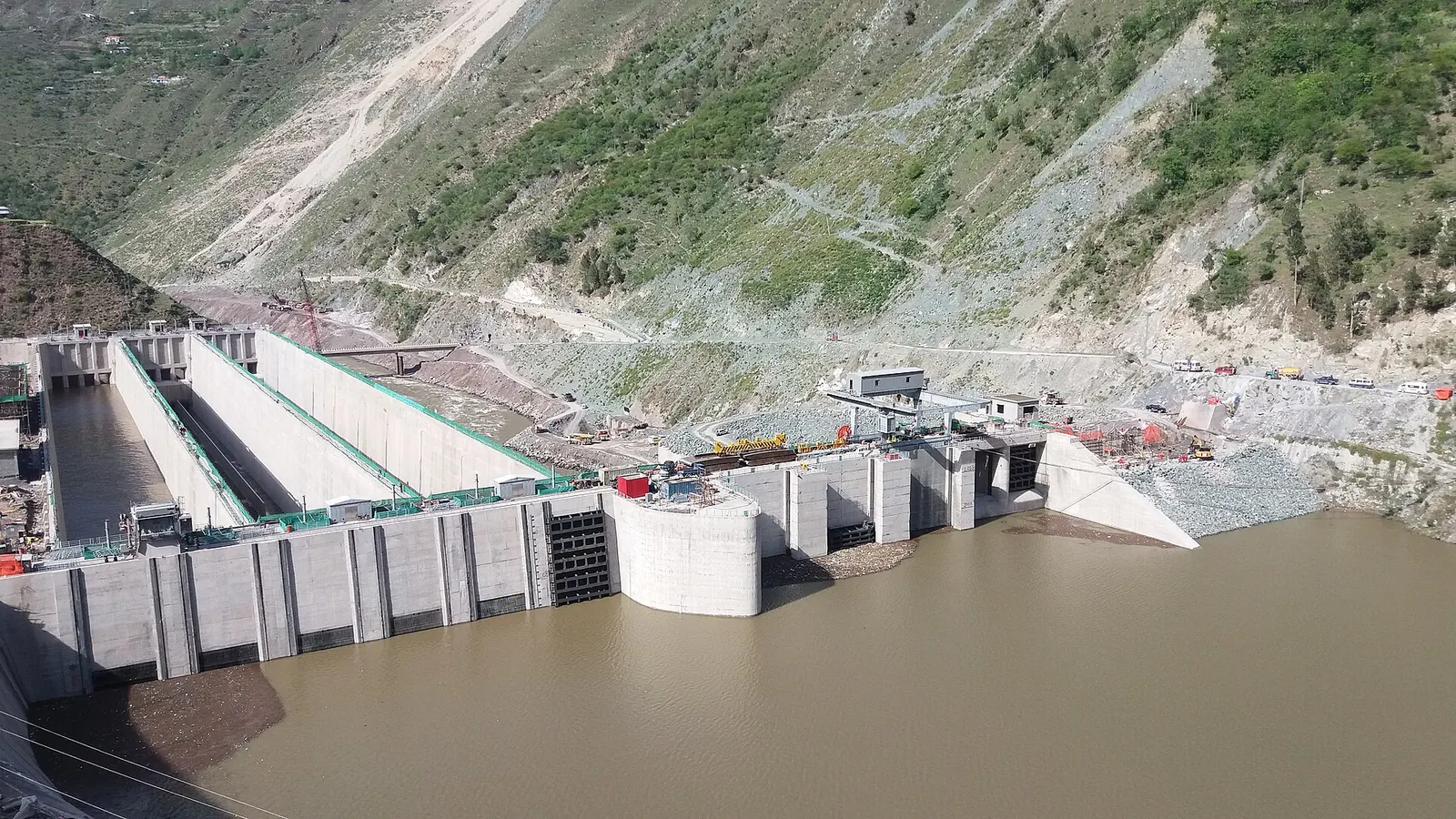
The Grid Code’s annual rhythm exists for a reason. Assumptions about Dasu, Mohmand, Diamer Bhasha, coastal wind, and KE interconnection change. Rooftop solar changes faster. If planners treat distributed PV as a temporary blip, they will overbuild central capacity and underbuild flexibility. Later Energy Update reporting on the 2025-35 package noted installed capacity projections rising substantially toward 2035 and recorded controversy over hydropower inclusions, including provincial litigation. Those politics are predictable. The antidote is transparent optimisation criteria.
Transition Economics Institute urges NEPRA to require a dedicated distributed-energy sensitivity in every IGCEP: high, medium, and low rooftop penetration with explicit effects on load factor and residual peak. The operator’s own later DSM scenarios show the profession knows load factor has fallen from historical bands near 70 per cent toward lower ranges. Planning must institutionalise that knowledge.
Forced capacity addition scenarios versus unconstrained least-cost scenarios should be published side by side in plain language. When cabinets choose forced projects, citizens should see the rupee premium. That is how indicative plans gain teeth without pretending to be licences.
KE-NGC interconnection candidates belong in the same frame. Dual-system inefficiency is a luxury Pakistan cannot afford. Modelling an interconnection is not a verdict on ownership politics; it is an engineering option against stranded southern energy and northern scarcity.
Hydro delays are costly but honesty about COD slip is better than fantasy schedules that distort near-term thermal decisions. If Diamer Bhasha’s contribution slips in intermediate years, the plan should say what fills the gap and at what cost. Silence recruits expensive emergency contracts.
August 2025’s task is not to perfect a spreadsheet. It is to bind procurement practice to the spreadsheet’s least-cost case. Without that bind, IGCEP 2025-35 will join its predecessors as a well-modelled suggestion.
Institutional accountability remains the missing hinge. NEPRA, the Power Division, CPPA-G, the system operator, and the DISCOs each hold a piece of the puzzle, yet none owns the full cash-conversion cycle. Until reporting, incentives, and penalties are aligned to the same monthly cash target, reform statements will continue to outrun results. Transition Economics Institute will keep measuring progress by whether billed energy turns into settled rupees, whether fixed generation obligations shrink in line with the demand profile, and whether consumers see durable relief rather than a temporary rebate financed by another round of arrears.