
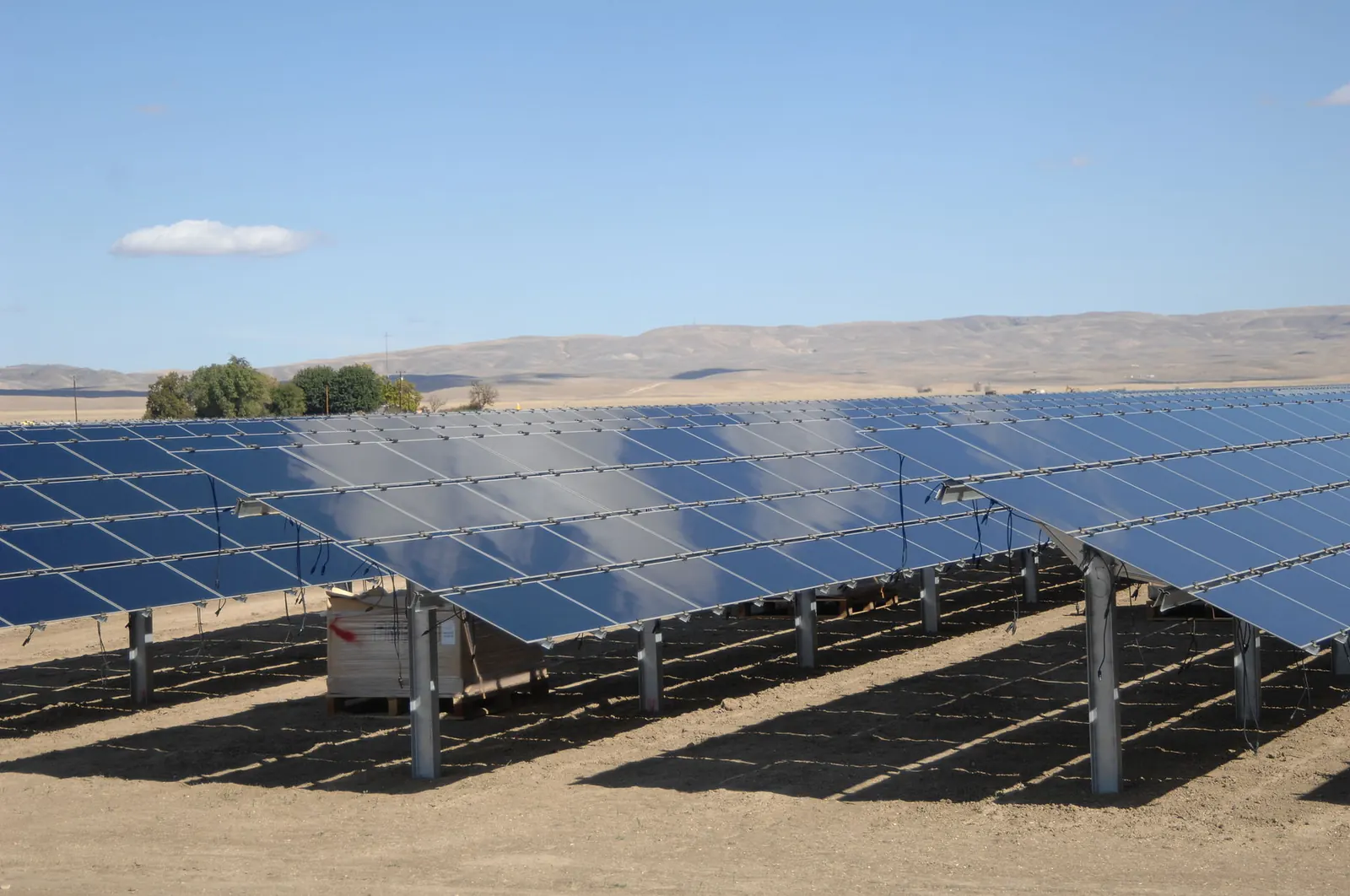
EIA's January 2025 Short-Term Energy Outlook materials projected that renewable energy sources would contribute one-quarter of United States electricity generation in 2025 for the first time, rising to 27 percent in 2026 in that forecast vintage. Natural gas remained the largest single share in the same table, with nuclear holding about a fifth. Those shares describe energy, not accredited capacity on the coldest evening of the year. Confusing the two is how political narratives outrun engineering balances.
What a rising renewable share does well
More wind and solar energy lowers average wholesale prices in many hours and reduces fuel burn when resources are available. Storage multiplies that value by shifting energy. Interconnection reform under Order No. 2023 exists partly because so much of the national queue, once above 2,000 gigawatts, was inverter-based. Getting ready projects online faster is how share gains become real rather than queued.
What share gains do not automatically do
They do not automatically replace retiring coal steam for winter peaks. EIA's February 2025 inventory planned 8.1 gigawatts of coal retirements for 2025 within a 12.3-gigawatt total retirement slate. Effective load-carrying capability of intermittent resources declines as penetration rises. Gas, nuclear, hydro, imports and demand response still carry much of the adequacy burden. Transmission under Order No. 1920 logic is required to move renewable energy from resource-rich zones to load without chronic curtailment.
Policy quality test
A serious policy celebrates renewable energy share milestones while publishing firm-capacity and flexibility metrics beside them. It funds transmission and interconnection process quality. It avoids premature retirement of firm units without replacements. It treats data-centre load growth, flagged in the same STEO narrative, as a reason to accelerate both clean energy and firm resources, not only one.
Share is a useful dashboard light. It is not the whole instrument panel.
The practical discipline is unchanged across fuel types and market constructs. Read the primary docket or statistical release before arguing about national destiny. Separate nameplate megawatts from accredited capacity, and contracted offtake from commissioned trains. Map interconnection and transmission lead times onto customer energisation promises rather than the other way round. Treat winter and summer extreme cases as design conditions. When federal policy shifts, update the slope of the forecast without rewriting physical laws. When state commissions push back on cost allocation, treat that push-back as part of the build path rather than as noise. United States energy infrastructure is financed, permitted and operated by people who must reconcile those constraints daily. Analysis that ignores them will not survive first contact with a peak day. Regional operators will continue to publish winter assessments, summer reliability outlooks and interconnection status reports. Those documents, read together with EIA inventories and FERC orders, give a clearer picture than any single speech. Investors should price execution risk honestly. Policymakers should resist the urge to treat one statute or one survey table as the whole system. The grid is a machine. Machines care about margins, not metaphors.