
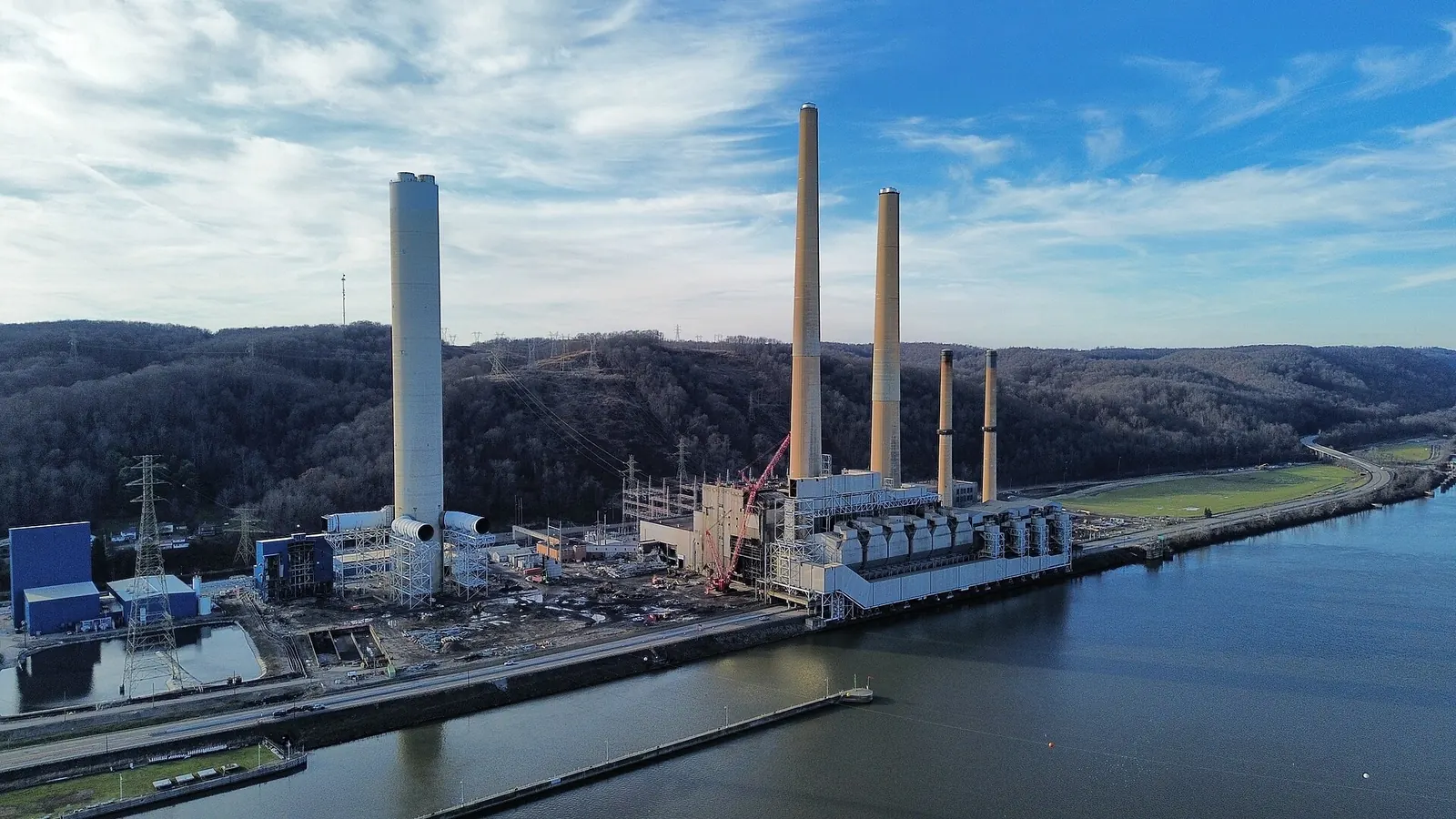
EIA's 25 February 2025 inventory showed generators planning 12.3 gigawatts of 2025 retirements, a 65 percent increase compared with 2024, after only 7.5 gigawatts retired in 2024, the least since 2011. Coal accounted for 66 percent of planned exits, or 8.1 gigawatts, equal to 4.7 percent of the coal fleet at the end of 2024. That was a rebound after coal retirements fell to 4.0 gigawatts in 2024, below the 9.8 gigawatts retired in each of the prior ten years. Large named units included Intermountain Power Project at 1,800 megawatts in Utah with an 840-megawatt gas combined-cycle block expected in July, J.H. Campbell at 1,331 megawatts in Michigan, and Brandon Shores at 1,273 megawatts in Maryland.
Why plans slip
Large loads and tight reserve margins make officials reluctant to see major steam units exit on schedule. Emergency authorities can compel temporary retention. Market revenues alone may not keep an old unit staffed and fuelled; emergency cost recovery then becomes contentious. Environmental compliance deadlines still loom after any emergency window. Rising electricity demand, described in EIA's January 2025 STEO as returning to consecutive annual growth for the first time since 2005 to 2007, increases the temptation to retain flexible thermal plant even when integrated resource plans prefer exit.
Engineering honesty
Retaining old coal can buy time for interconnection and transmission. It is not a modernisation strategy. Heat rates are poor, forced-outage risk rises with age, and replacement generation is still required. Gas retirements planned at 2.6 gigawatts for 2025, including old steam at Braunig and Eddystone and TVA Johnsonville peakers being partly replaced with 500 megawatts of aeroderivative capacity, show that even the gas fleet is shedding inefficient units while the system asks more of the remainder.
What to build during borrowed time
Use any retention window to finish gas replacements, storage, nuclear uprates where viable, and transmission upgrades identified under Order No. 1920 long-term planning. Use interconnection cluster processes under Order No. 2023 to clear ready firm and flexible resources. Do not mistake an emergency order for a resource plan. Track both the February inventory plan and subsequent deferral dockets through year-end. The analytical habit is to refresh plant-level status monthly rather than to treat a spring survey as destiny.
The practical discipline is unchanged across fuel types and market constructs. Read the primary docket or statistical release before arguing about national destiny. Separate nameplate megawatts from accredited capacity, and contracted offtake from commissioned trains. Map interconnection and transmission lead times onto customer energisation promises rather than the other way round. Treat winter and summer extreme cases as design conditions. When federal policy shifts, update the slope of the forecast without rewriting physical laws. When state commissions push back on cost allocation, treat that push-back as part of the build path rather than as noise. United States energy infrastructure is financed, permitted and operated by people who must reconcile those constraints daily. Analysis that ignores them will not survive first contact with a peak day. Regional operators will continue to publish winter assessments, summer reliability outlooks and interconnection status reports. Those documents, read together with EIA inventories and FERC orders, give a clearer picture than any single speech. Investors should price execution risk honestly. Policymakers should resist the urge to treat one statute or one survey table as the whole system. The grid is a machine. Machines care about margins, not metaphors.