
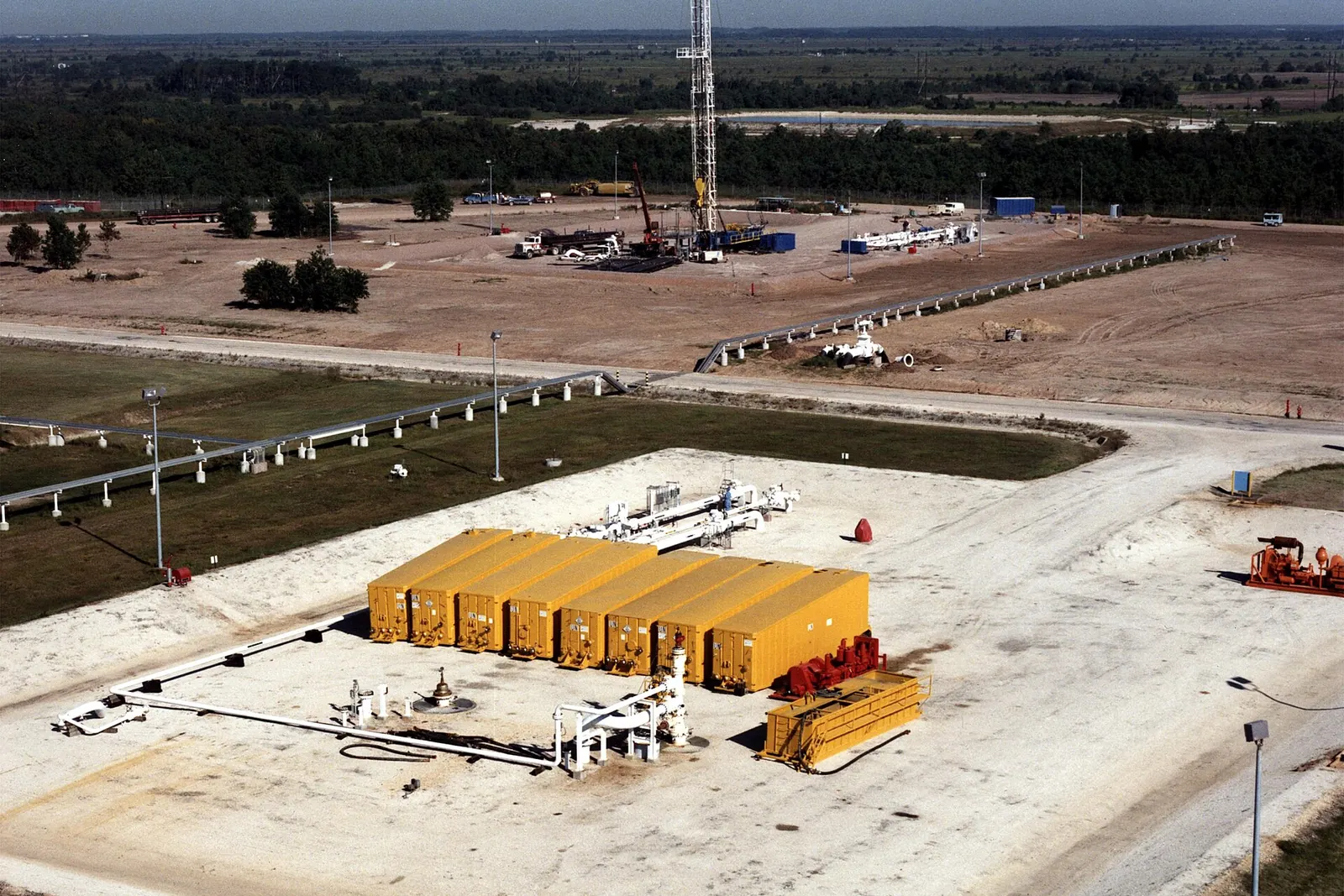
On March 11, 2026, the International Energy Agency announced that its member countries would make 400 million barrels of oil available from emergency stocks, the largest coordinated release in the agency's history. The Trump administration confirmed the same day that the United States would contribute 172 million barrels from the Strategic Petroleum Reserve, with deliveries rolling out over 120 days. The decision marked a reversal for a president who had criticized his predecessor for tapping the reserve and who had initially said that US supplies were ample after the war with Iran began on February 28.
The release has not stopped prices from rising. By March 20, the national average price of gasoline was nearing USD 4 a gallon, according to CBS News, up from about USD 3.60 on March 12 and well above prewar levels. Brent crude was trading around USD 108 a barrel, roughly 48 percent higher than when the war started, having brushed against USD 120 on several occasions. Our view is that the SPR release is the right decision but is being asked to do something it cannot: replace the oil that normally passes through the Strait of Hormuz. Its real value is in limiting the peak of the price spike and buying time, and policymakers should be clear with the public about that.
The arithmetic
Before the war, around 20 million barrels a day of oil moved through the Strait of Hormuz, about one fifth of world consumption. The IEA estimates that Gulf producers have cut output by about 10 million barrels a day because they cannot ship their crude and are running out of storage. Even at the administration's target rate of 1.4 million barrels a day, the US release replaces a small fraction of the lost supply. Clayton Allen of Eurasia Group told CBS News that the fastest the United States has drawn down the reserve historically is about 1 million barrels a day, because of physical limits on pumping and pipeline capacity.
The total IEA release of 400 million barrels is equivalent to about 20 days of normal Hormuz flows. If the strait reopens within weeks, that would be a significant bridge. If the disruption lasts months, stocks alone cannot fill the gap, and prices will have to rise far enough to cut demand.
Why gasoline lags and leads
Gasoline prices respond to crude prices with a lag, because refiners buy crude in advance and retailers adjust prices as their inventories turn over. That means pump prices may continue rising for some time even if crude stabilizes. It also means relief will be slow once crude falls. The Associated Press noted large differences between states, with California averaging nearly USD 5.37 a gallon on March 12 and Kansas about USD 3.04, reflecting refinery supply, fuel specifications and state taxes.
Diesel and jet fuel have been hit harder than gasoline in many markets, because the Middle East is a major exporter of middle distillates. For trucking, farming and airlines, the cost increase is larger than headline gasoline prices suggest.
The other measures
The administration has taken several other steps. It issued a 60-day waiver of the Jones Act, allowing foreign-flagged ships to move fuel between US ports. The Center for American Progress estimated that a waiver would cut gasoline prices by about 3 cents a gallon. Treasury approved a temporary purchase of Russian oil already at sea, about 124 million barrels globally, and the Treasury Secretary has said Washington may allow Iranian oil already loaded on tankers to be sold. Officials are considering waiving the summer ban on E15 gasoline, and several states, including Georgia, are moving to suspend state gasoline taxes temporarily.
Each of these measures adds a small amount of supply or reduces costs at the margin. Together they help, but none addresses the core problem. As David Victor of the University of California San Diego told CBS News, the key is confidence that ships can move safely through Hormuz. Once that returns, prices are likely to fall quickly.
Refilling the reserve
Energy Secretary Chris Wright said the United States has arranged to replace about 200 million barrels of reserve oil within the next year. That is an important commitment. The reserve held about 415 million barrels at the end of February, according to the Department of Energy, well below its peak of more than 726 million barrels. After this release, it will fall to its lowest level in decades. Refilling it when prices fall, through exchange agreements that require companies to return more oil than they borrowed, would restore the cushion for the next crisis.
The domestic production question
The United States is now a net exporter of petroleum, and higher prices will encourage domestic producers to increase output. But shale producers have been disciplined in recent years, and new drilling takes months to translate into production. Higher US output will help in the second half of the year if prices stay high, but it is not a short-term remedy. US consumers pay world prices for oil regardless of how much the country produces.
What households and businesses should expect
For planning purposes, businesses should assume that fuel prices will remain elevated for as long as Hormuz traffic is disrupted, and that relief will come with a lag once it resumes. Gasoline price increases fall hardest on lower-income households, which spend a larger share of income on fuel. Targeted support, rather than broad tax holidays that benefit all drivers, would be the more efficient response if prices remain high for months. Fleet operators should review fuel hedging and consider accelerating electrification where vehicles are already due for replacement.
Our assessment
The SPR release was the right call. It signals that consuming countries are acting together, it limits panic buying, and it will help cap the spike. But it was always going to be too small to offset the loss of Hormuz flows, and the public should not expect it to bring gasoline back to USD 3.50 a gallon. The outcome for prices depends overwhelmingly on how long the strait stays closed. In the meantime, the priority should be refilling the reserve once the crisis passes and building a more resilient fuel system for the next one.