
China's carbon dioxide emissions fell by 1 per cent in the second quarter of 2026, according to analysis by Lauri Myllyvirta of the Centre for Research on Energy and Clean Air, published by Carbon Brief on 3 September. What makes the result unusual is its cause. For the first time, a fall in oil consumption, rather than coal, drove a decline in China's total emissions. Oil use fell by 9 per cent overall and by 16 per cent in transport during the quarter, as supply disruption through the Strait of Hormuz pushed up prices. China's oil imports fell by 32 per cent.
The fall in Chinese import demand has been widely credited with stabilising the global oil market during the Hormuz crisis. The question that matters for the longer term is how much of that fall was structural and how much was temporary. Our reading of the data is that roughly half of the import reduction came from a swing in stockpiles that cannot be repeated, but that the consumption decline, driven by electric vehicles and public transport, is durable and will lower China's oil demand path permanently. Exporters who expect Chinese demand to snap back once the strait normalises are likely to be disappointed.
Separating stockpiles from consumption
The analysis draws on energy mix data from the National Bureau of Statistics, which indicate that oil consumption fell by about 3 per cent in the first half of 2026 and about 9 per cent in the second quarter. Crude processing fell 11 per cent in the quarter, and Sinopec reported sales down 9 per cent. Some of the processing cut was absorbed by drawing down product inventories.
On those numbers, reduced consumption accounted for a substantial share of the fall in imports, but around 60 per cent of the import decline was covered by the swing from building stockpiles to drawing on them. That part is temporary. Strategic and commercial stocks will need to be rebuilt, and when the strait normalises China's import demand will rise above consumption for a period. Oil market forecasters should expect a restocking bump in Chinese imports, which could tighten balances just as supply recovers.
The electrification effect
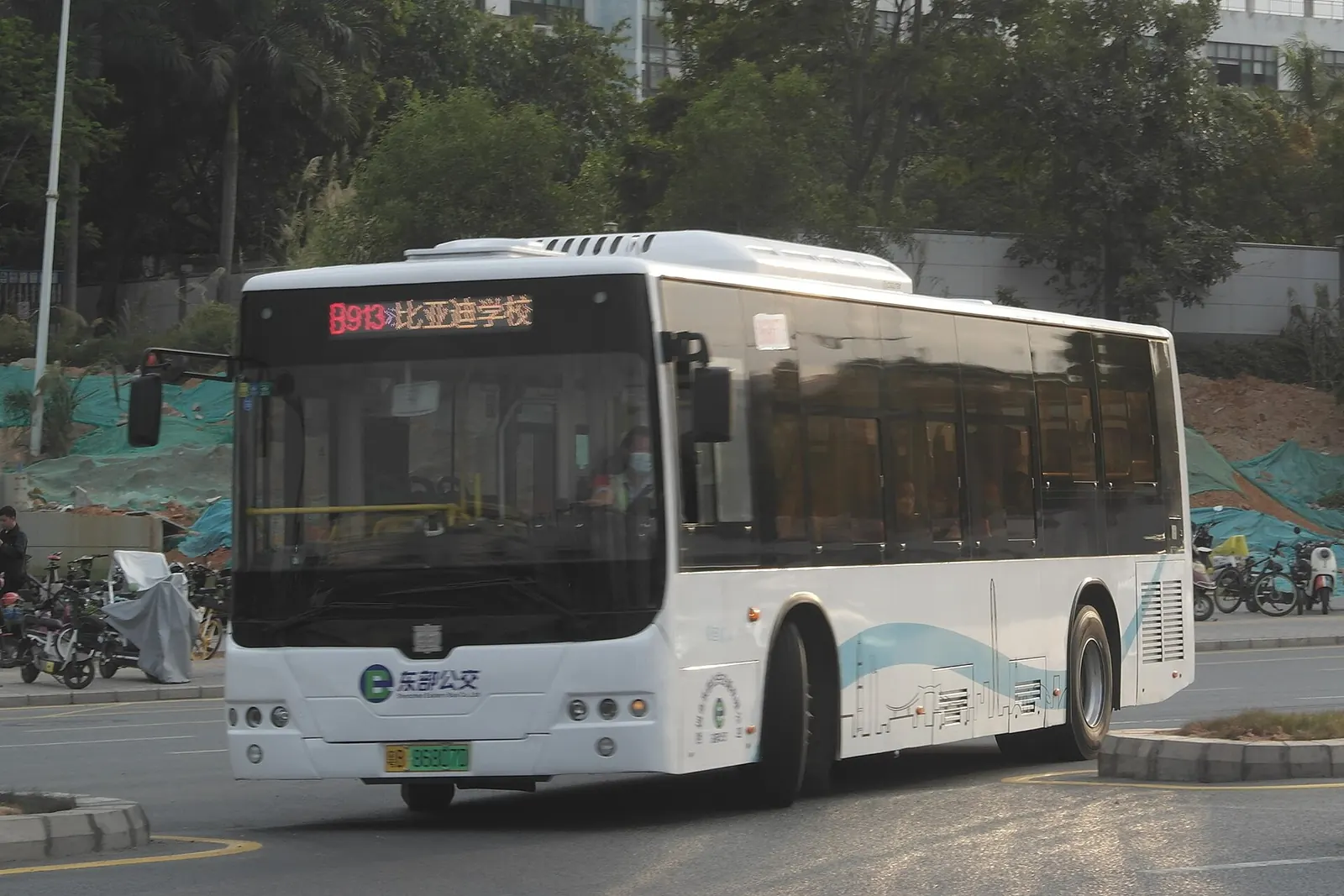
The structural part of the story is the vehicle fleet. The total number of electric vehicles on Chinese roads at the end of June was 33 per cent higher than a year earlier. Electric heavy truck sales rose about 77 per cent year on year in the second quarter, with June sales more than doubling and electric trucks exceeding 45 per cent of new truck sales.
Usage moved even faster than fleet size. Charging volumes rose 60 per cent in the second quarter, indicating that existing electric vehicles were driven more and that plug-in hybrid owners favoured electricity over fuel as petrol and diesel prices rose. Electric taxis, competing hard on price, captured trips from private petrol cars. Rail passenger traffic rose 5 per cent in the first half.
CREA estimates that electric vehicles displaced about 19 million tonnes of oil in the second quarter and 36 million tonnes in the first half, more than the United Kingdom consumes in six months. If charging and sales growth continue at the same pace, displaced oil could reach 80 million tonnes for 2026, comparable to Mexico's consumption. Trucks are the fastest-growing source of displacement.
Transport activity did not fall. Cross-regional passenger trips were up 0.1 per cent and urban trips up 2.9 per cent in the quarter, and freight tonnage rose 2.4 per cent. Only air travel fell, by 7 per cent in May and June. In other words, China maintained mobility while cutting fuel use. That is the definition of a structural shift.
What did not go well
The oil story is positive for emissions. The power story is not. Coal use in power rose 2.4 per cent in the second quarter, and power sector emissions rose 3 per cent in the first half, despite strong wind and solar growth, a 9 per cent rebound in hydro output and slower demand growth. The analysis attributes the rise to increased curtailment of wind and solar and to poor wind conditions.
The institutional causes are familiar. Coal generators sell at prices fixed months in advance, long-distance transmission volumes are also set ahead, and coal plants receive capacity payments that reward availability but not flexibility. Meanwhile, 30 GW of new coal capacity entered operation in the first half of 2026, the most since 2016, while less than 3 GW retired. Battery additions slowed to 17 GW from 23 GW a year earlier.
That combination means that the electricity being used to charge China's growing vehicle fleet is, at the margin, more coal-heavy than it needs to be. CREA estimates net avoided emissions from electric vehicles at 35 million tonnes of CO2 in the quarter after accounting for charging, about 1.3 per cent of China's total. That figure would be larger if curtailed renewable output were used instead of coal.
The policy response
Recent sectoral five-year plans published in the second quarter target electricity at 35 per cent of final energy use by 2030, from 30 per cent in 2025, and electric vehicles at 30 per cent of the vehicle fleet, from 12 per cent. They also signal a higher bar for new coal power. But the power sector plan published in August loosened curtailment limits further, allowing up to 15 per cent in some provinces. That runs in the wrong direction for a system that wants to electrify transport with clean power.
Implications for oil exporters
For Gulf and other exporters, the implications are uncomfortable. China's response to the Hormuz shock demonstrated that its oil demand is more elastic than assumed, because a large share of its vehicle fleet can switch to electricity at short notice. That elasticity will persist after the crisis. Each additional year of electric vehicle growth reduces the volume China needs to import at any given price.
The restocking bump will create a temporary rebound in Chinese imports. Beyond that, the trend line has shifted downwards. Sinopec had already forecast falls in diesel and petrol demand for 2026 before the crisis began. The crisis accelerated them.
Our position
China's second-quarter emissions decline was driven by a sharp and partly structural fall in oil use. Stockpile drawdowns explain much of the drop in imports and will reverse, but electrification of cars, trucks and taxis, along with rail and public transport, has permanently lowered China's oil demand path.
The opportunity Beijing has not yet taken is to match transport electrification with power sector reform. Until coal plants are paid for flexibility and curtailment falls, part of the climate gain from China's electric vehicle fleet will continue to be lost in the grid.