
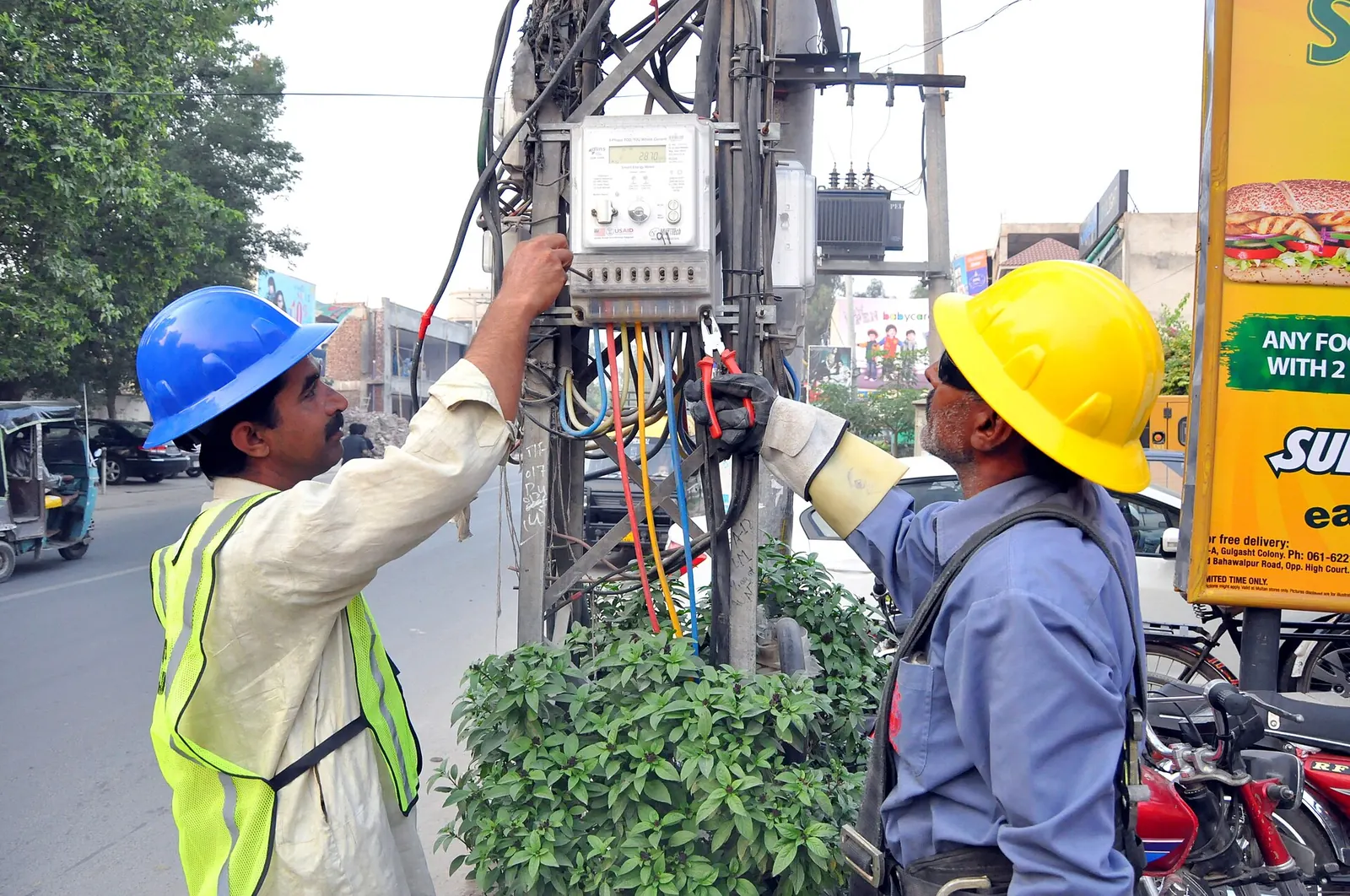
Profit by Pakistan Today reported on 18 September 2026 that a National Assembly privatisation committee was told the approved structure would divest between 51 and 100 per cent of each Disco along with management control. Alvarez & Marsal had completed due diligence; Privatisation Commission and CCoP approvals of restructuring were in hand. Ten parties had pre-qualified for FESCO, eleven EOIs for GEPCO were under evaluation, and IESCO’s process completed on 7 September 2026.
Majority-plus control is the right economic instinct if the goal is operational change. Minority sales without control decorate the budget more than they reform feeders. Transition Economics Institute still insists on post-sale regulatory muscle: investment obligations, loss trajectories, and service standards with real penalties. Management control without accountability is how privatisation earns its worst reputation.
Parliamentary oversight should focus on valuation, reserve prices, and conflict-of-interest firewalls, not on re-litigating whether private participation is allowed in principle. That principle debate is settled by cabinet policy and IMF programme design. Execution integrity is the remaining fight.
Pre-qualification counts look healthy. Quality of pre-qualified operators matters more than quantity. Distribution experience in high-loss, high-theft environments should weigh heavier than generic conglomerate balance sheets.
September 2026 thus closes a long arc from Turkish concession talk in 2024 to share sales with control. The arc succeeds only when FESCO’s first post-sale winter shows better collections and fewer political reconnections. Until then, treat announcements as inputs, not outcomes.
Institutional accountability remains the missing hinge. NEPRA, the Power Division, CPPA-G, the system operator, and the DISCOs each hold a piece of the puzzle, yet none owns the full cash-conversion cycle. Until reporting, incentives, and penalties are aligned to the same monthly cash target, reform statements will continue to outrun results. Transition Economics Institute will keep measuring progress by whether billed energy turns into settled rupees, whether fixed generation obligations shrink in line with the demand profile, and whether consumers see durable relief rather than a temporary rebate financed by another round of arrears.