
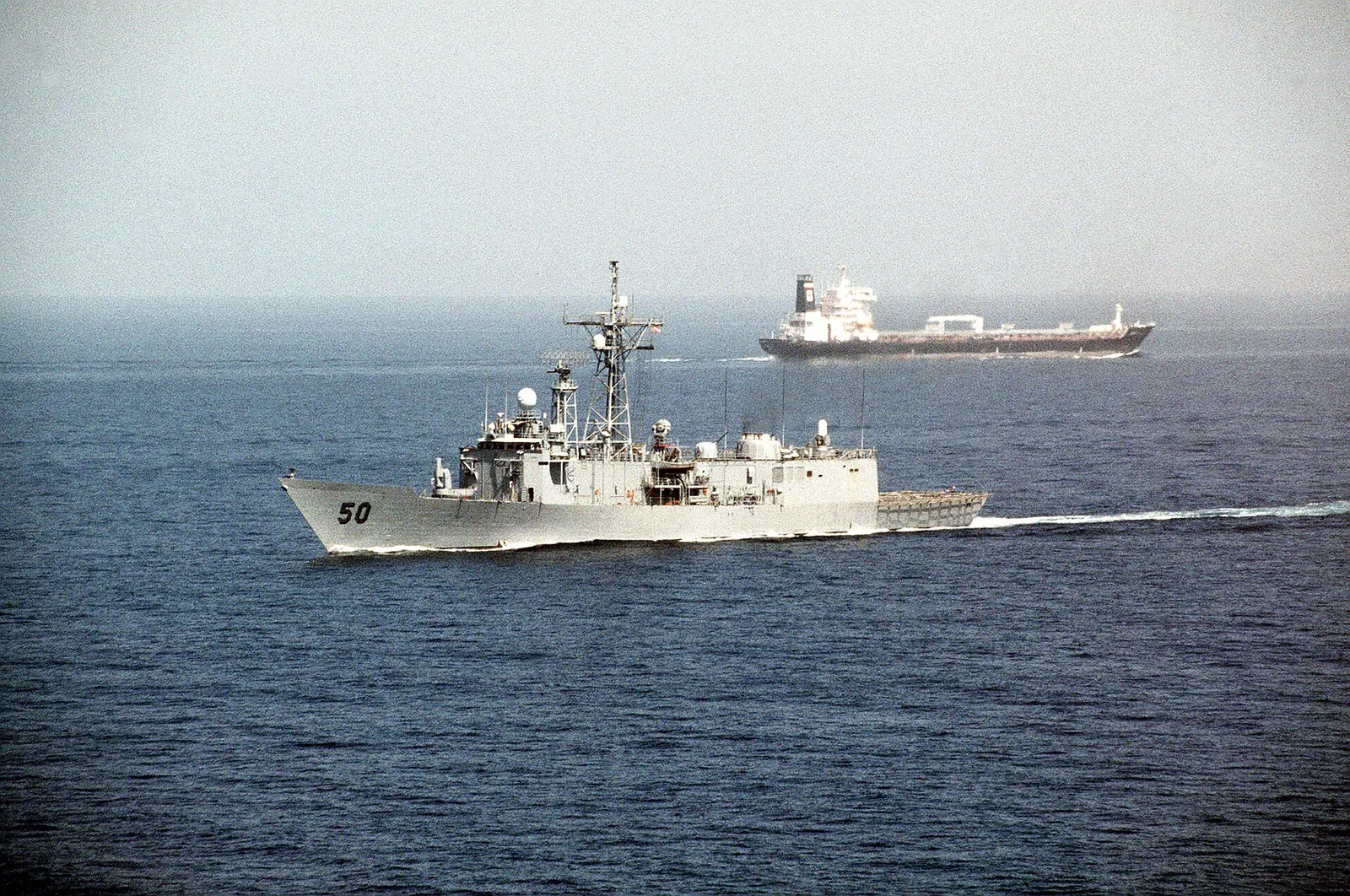
Seven months after the Middle East war began, Middle East crude oil exports have risen to their highest monthly level since hostilities started, and Qatar linked LNG tankers have again been observed crossing the Strait of Hormuz after a blank August. Those are the central facts in late September reporting by Euronews and in Kpler’s media briefing dated 28 September 2026. The rebound is real and measurable. It is also incomplete. Exports remain below the February baseline, Hormuz clearance remains below the pre war average, and diplomacy continues to inject risk into any forecast of a smooth return to normal trade. The September figures below are those reported by these sources, together with the caveats they attach to the political path ahead.
Euronews, publishing on 29 September 2026 and citing preliminary Kpler data, put regional Middle East crude oil exports at 16.3 million barrels a day in September. That was the highest monthly level since the Iran war began seven months earlier. It was still around 3.2 million barrels a day below the 19.5 million recorded in February. Saudi Arabia accounted for much of the increase, more than doubling its exports from 2.45 million barrels a day in August to around 5.4 million in September. Flows through the Strait of Hormuz were projected to reach about 9.7 million barrels a day as Saudi Arabia sent additional crude from its Gulf terminals after attacks damaged its East West pipeline to the Red Sea. The regional total also includes oil shipped from ports outside the Strait. These numbers describe a partial recovery, not a restoration of the pre war pattern.
Kpler’s own media briefing of 28 September 2026, using flow data as of 26 September, adds finer resolution. Total Hormuz Clearance stood at 10,591 thousand barrels a day on 26 September against a 17,133 thousand barrels a day pre war baseline. Across 23 to 26 September the measure swung between 7,172 and 17,578 thousand barrels a day. The seven day average sat at 13,114 thousand barrels a day, and Kpler warned that the most recent days remained in a preliminary tier that has typically settled 1.5 to 2 times higher as confirmations land. On a seven day average through 22 September, Kpler estimated Hormuz crude transits, including Gulf of Oman ship to ship activity, at 9 million barrels a day, up from a late July low of 2.2 million barrels a day and equivalent to roughly 60 per cent of the 2025 average. Adding net gains from Yanbu and Fujairah lifted Middle East crude exports to just under 80 per cent of pre conflict levels. Confirmed tanker crossings ran at 7 to 17 a day against a baseline of 50. Those are Kpler’s printed figures; they are cited here without rounding into convenience narratives.
The infrastructure story behind the September bounce is two sided. On one side, Saudi loadings from eastern terminals surged after the East West pipeline was hit. Kpler reports Ras Tanura loadings around 6.5 million barrels a day, September very large crude carrier Saudi loadings at 3.5 million barrels a day across 39 vessels, and roughly 90 million barrels of September and October crude placed with Asian buyers. Aramco was testing the repaired Petroline, with throughput estimated around 2.65 million barrels a day and likely to climb to 3 to 4 million barrels a day in the coming days, though Kpler’s base case saw the repaired line operating at 50 per cent of pre attack capacity. On the other side, the need to push more oil through Hormuz after pipeline damage is precisely why Strait clearance rose even while diplomacy remained unsettled. Euronews notes that Saudi Arabia sent additional crude from Gulf terminals after attacks damaged the East West line. Higher Hormuz volumes in September therefore partly reflect a forced rerouting, not only a security improvement.
LNG traffic tells a parallel but thinner story. Euronews reports that several Qatar linked LNG tankers crossed Hormuz in September after no visible crossings were recorded in August. Named movements included GasLog Skagen carrying LNG from Ras Laffan and tracked off Sri Lanka, Al Ghashamiya delivering to India, Shandong Redwood carrying LNG to Pakistan, Al Daayen bound for China, and an empty Qatar linked tanker, Al Mafyar, entering the Strait on 22 September. The total number of crossings remained unclear because some ships turn off tracking systems as they pass through Hormuz. Normal exports have not resumed. QatarEnergy extended delivery suspensions for some customers in Europe and Asia. Edison received notice extending force majeure until early December, taking missed cargoes since April to 35, of which 23 were replaced mainly with United States gas. Some customers in Pakistan and Bangladesh were told suspensions would continue through November. The September crossings are therefore best read as a resumption of limited traffic after an August lull, not as a return to the pre war cargo machine that ICIS counted at 509 Qatari loadings in the comparable year earlier six month window, against only 18 in the first six months of the war.
Diplomacy risk remains part of the September picture because the sources say so. Euronews reports that United States President Donald Trump on Saturday rejected an Iranian proposal to reopen Hormuz and end the fighting within seven days. The proposal had been passed through Qatari mediators, who continued to push for talks. Iranian Parliament Speaker Mohammad Bagher Ghalibaf said no infrastructure in the region would be safe unless Iran’s security was guaranteed, and stated that in a region where Iran cannot sell oil, no one else will sell oil either. Kpler’s briefing likewise treats deal headlines cautiously. It notes weekend media reports that the United States rejected an Iranian proposal while expecting further talks, and it states that Kpler analysis treats productive talks headlines as tradeable fades until a verified first move such as an asset release, blockade easing or actual sustained transits. Physical repair and higher clearances can coexist with unresolved political conflict. That is the caveat the sources themselves emphasise.
Context from earlier in the year remains essential for judging how far September still has to go. The IEA recorded that Hormuz oil flows averaged only 2.7 million barrels per day in March, April and May, against around 20 million barrels per day prior to the conflict, with cumulative Middle East oil supply losses exceeding 1.3 billion barrels. Dated Brent peaked at 144 dollars per barrel in early April. The mid June interim United States Iran agreement aimed to reopen the Strait, and the IEA’s gas report assumed a full reopening in the third quarter with undamaged facilities restored early in the fourth. September’s 16.3 million barrels a day of regional crude exports and Hormuz projections near 9.7 million barrels a day, or Kpler’s seven day clearance average of 13,114 thousand barrels a day against a 17,133 baseline, show progress toward those assumptions without completing them. Just under 80 per cent of pre conflict Middle East crude exports is a recovery. It is not 100 per cent.
The September evidence supports three measured conclusions. First, the rebound figures as reported: 16.3 million barrels a day regional crude exports; 3.2 million barrels a day still missing versus February’s 19.5 million; Saudi exports around 5.4 million barrels a day in September from 2.45 million in August; Hormuz flows projected about 9.7 million barrels a day in the Euronews account; Kpler Hormuz Clearance at 10,591 thousand barrels a day on 26 September versus 17,133 pre war; seven day average 13,114; Middle East crude exports just under 80 per cent of pre conflict levels. Second, separate oil recovery from LNG recovery. Oil volumes have rebounded more visibly; Qatari LNG crossings resumed only after a blank August and remain constrained by force majeure notices and by Ras Laffan’s damaged units, which Euronews reports cut capacity by around 17 per cent with about three years of repairs, even though 12 undamaged units could resume within weeks of safe regular transit. Third, diplomacy risk remains part of the picture, as Euronews and Kpler both note in late September.
Over the next quarter, the questions are whether preliminary Kpler clearances revise upward as confirmations land, whether Saudi Petroline throughput climbs from the tested 2.65 million barrels a day toward the 3 to 4 million barrels a day Kpler expected in coming days, and whether Qatari LNG crossings thicken beyond the handful of named September cargoes. A further question is whether force majeure notices shorten or lengthen relative to Edison’s early December extension and the November suspensions flagged for some South Asian buyers. Those are observable indicators.
Partial reopening is better than a closed Strait. September’s export rebound demonstrates that Gulf producers and shippers can rebuild volumes when routing options and risk tolerances allow. The same record shows that the gap to February’s 19.5 million barrels a day, the gap to Kpler’s 17,133 thousand barrels a day pre war Hormuz baseline, and the unfinished LNG restart all leave energy markets exposed if talks fail again. Transition economics should register the rebound, count it accurately, and refuse to confuse a seven month high with a peacetime normal.