
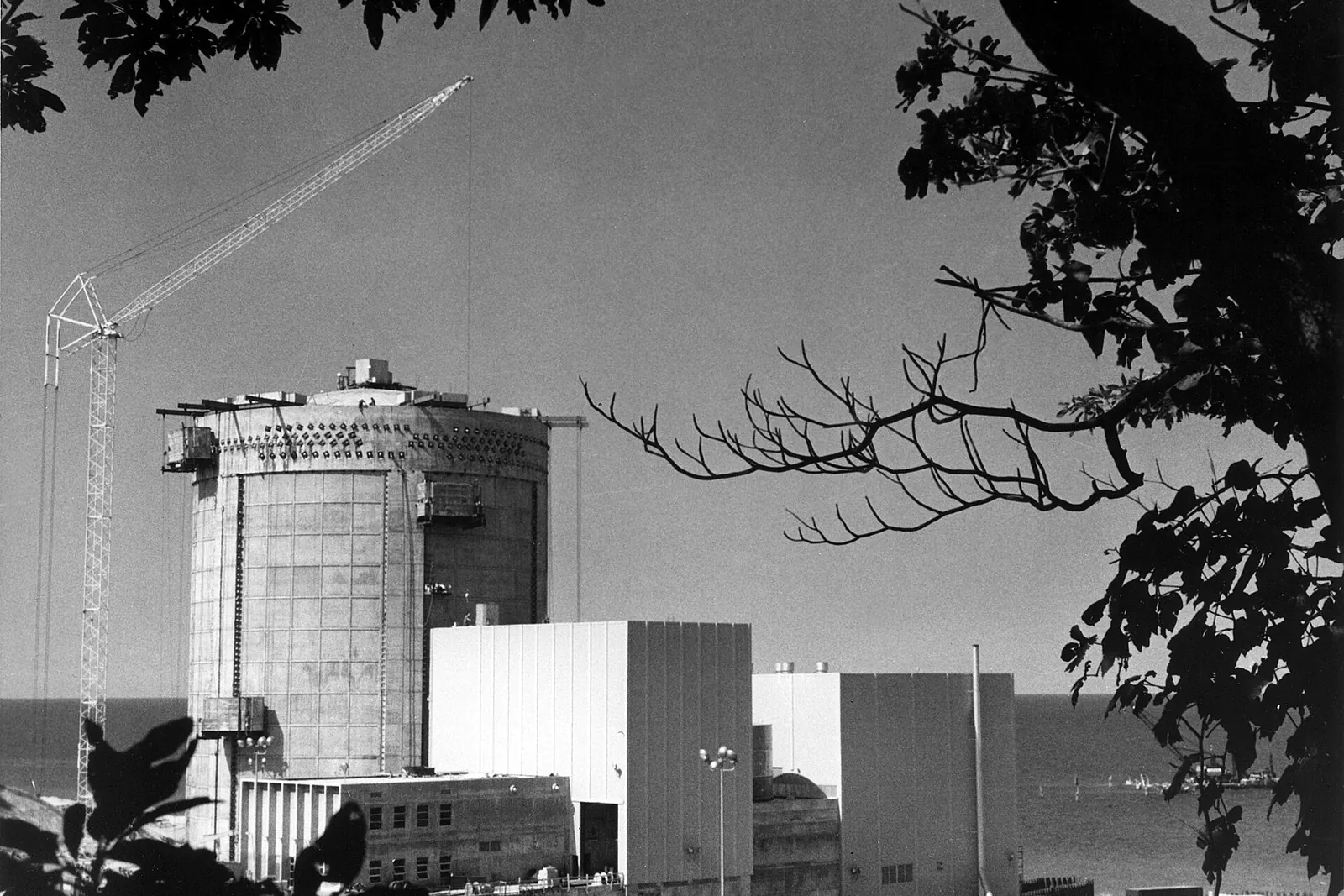
Holtec International's effort to restart the Palisades nuclear plant in Michigan, the first attempt in US history to bring a decommissioned reactor back into commercial service, has suffered another setback. Fuel loading began on August 30, 2026, as the plant entered Mode 6, the refueling stage. During loading, a previously used fuel assembly tilted from its upright position after being placed in the reactor vessel, with the fuel-handling grapple already disengaged. Holtec notified the Nuclear Regulatory Commission, which determined that the event did not trigger formal safety reporting requirements, and the NRC said there had been no radiological release. Holtec has begun a root cause evaluation, is developing equipment to retrieve the assembly and return it to the spent fuel pool, and will submit a license amendment request for the retrieval method. Nuclear Engineering International describes the restart as delayed indefinitely.
Palisades was supposed to be operating at the start of 2026. Reports cited by the American Nuclear Society say Holtec is contracted to start supplying power by March 2027. Our view is that the restart remains worth completing and is likely to succeed eventually, but that the delays show restarts are complex engineering projects, not simple switch-flips. Utilities, data center developers and policymakers counting on restarts to meet near-term demand should build in substantial schedule contingency.
How Palisades got here
The 800-megawatt pressurized water reactor on the shore of Lake Michigan shut down in May 2022 under its previous owner, Entergy, despite holding a license to operate until March 2031. Holtec acquired the plant to decommission it, then changed course in late 2023 and sought approvals to restart it. In September 2024 the Department of Energy's Loan Programs Office closed a USD 1.52 billion loan guarantee for the restart, the first under its Energy Infrastructure Reinvestment program. The State of Michigan also provided support, and Governor Gretchen Whitmer has championed the project.
On July 24, 2025, the NRC approved Holtec's request to transition Palisades from decommissioning status back to an operating license, the first such approval in US history. The plant formally returned to operational status in August 2025, allowing it to receive new fuel. Holtec said at the time that around 600 full-time staff and about 1,000 skilled trades workers and suppliers were working on the restart, and that the plant would supply power under long-term purchase agreements.
A run of problems
The fuel incident is not the first issue. Nuclear Engineering International reports that in October 2025 a contractor fell into radioactive water inside the reactor cavity and was decontaminated and hospitalized without long-term injury. An NRC inspection report released in August 2026 identified two low-level violations between December 2025 and March 2026 related to radiation protection, when elevated airborne radioactivity was detected during repairs and workers were not properly warned or their doses accurately assessed.
The underlying challenge is that a plant that sat idle after shutdown and was partly prepared for decommissioning needs extensive inspection, repair and replacement. Components such as the main steam turbine had been partially disassembled, and electrical, cooling and safety systems needed to be restored and tested. Holtec has also faced criticism for not disclosing the fuel incident publicly until weeks after it occurred, although the company says it followed NRC reporting protocols.
There has been progress. Palisades was reconnected to the 345-kilovolt switchyard on September 11, in coordination with transmission owner ITC, and restart work not dependent on fuel loading continues.
What this means for other restarts
Palisades is the template for a wider wave of restart plans. Constellation is working to restart Unit 1 at Three Mile Island, renamed the Crane Clean Energy Center, under a power purchase agreement with Microsoft, and NextEra has explored restarting the Duane Arnold plant in Iowa. These projects are attractive because they reuse existing sites, grid connections and licenses, and they can deliver firm, carbon-free power faster than new construction.
But Palisades shows that each restart is unique. The condition of the plant at shutdown, how far decommissioning had progressed, the state of its components and the experience of its workforce all affect the schedule. Plants that were shut down recently and maintained in good condition will be easier to restart than those that sat idle longer or were partially dismantled.
The regulatory dimension
The NRC has handled Palisades under its existing framework, without a dedicated rulebook for restarts, and has generally been praised for working efficiently. Its approach to the current incident will be watched closely. A license amendment for the fuel retrieval method is a specific, narrow approval, and a quick, well-founded decision would reassure other restart developers that the regulator can respond to unexpected issues without open-ended delay. Equally, the inspection findings on radiation protection show why oversight of a plant returning from decommissioning needs to be at least as rigorous as for a plant that never stopped. A serious safety incident at a restarted plant would damage public confidence in every restart and in nuclear power more broadly.
Implications for power buyers
For large buyers, including technology companies seeking 24/7 clean power for data centers, restarts are appealing because they offer firm capacity on a short timescale. The Palisades experience suggests that contracts should include realistic delivery windows and provisions for delays. Buyers should also recognize that a restarted plant's reliability in its first years may be lower than that of a plant with an uninterrupted operating history.
For grid operators and utilities, restarts should be treated as valuable but uncertain resources in planning. Counting on a restarted plant to meet a specific reliability need by a fixed date is risky. Backup options should be maintained until a restart is proven.
Our assessment
Palisades remains a worthwhile project. Once operating, it will supply more than 800 megawatts of carbon-free baseload power, and Holtec intends to seek a further license renewal that could keep it running to 2051. The fuel assembly incident is a setback, not a fatal blow. But the project has now slipped well beyond its original target, and its experience should temper expectations about how quickly restarts can contribute to meeting rising demand. Transparency with regulators and the public about problems and timelines will be essential if restarts are to keep the broad political support they currently enjoy.